
In traffic, at work or at home: everywhere energy plays a central role and it is clear to everyone that, beyond all the debates about renewable energy, reducing energy consumption is the best way to protect the climate and save money. However, not everyone is aware of how much energy they use unnecessarily in their home. Saving energy at home is surprisingly easy. Below we’ll show you where you can start:
SAVE ENERGY WHEN HEATING AND VENTILATING ROOMS
Of course, no one wants or should be cold at home. But more than 70% of the final energy consumed in private households is needed for heating (source: Federal Statistical Office). It makes sense to think about heating first when saving energy.

Even those who do not cover their radiators with furniture or hide them behind curtains make an initial contribution to reducing energy consumption in their home. You can really save money on room temperature. Each degree less saves approximately 6% of thermal energy. Therefore the ambient temperature in the living area should not be higher than 20°C. In the bedroom and in the kitchen, where you cook, 18°C is enough without it becoming annoying. It is also important to keep doors closed between rooms with different temperatures.
Especially in a poorly insulated house, it is also possible to save on heating costs by automatically lowering the room temperature during the night. However, good insulation of the building envelope saves even more energy. Due to their good thermal insulation, houses that meet the current low-energy building standard according to the Building Energy Act require only a third of the thermal energy requirement of a new building at the turn of the millennium. Not to mention the older buildings. This is why it is worth thinking about building a new house with a view to potential energy savings. Your nearest construction partner will be happy to help you.
But it is also possible to save thermal energy in existing buildings by investing in the building envelope. We start from the radiator niches where the walls of the house are thinner and therefore more heat is dispersed towards the outside. In this case the adaptation of the internal thermal insulation can easily help. Of course, the ideal is complete additional insulation of the external wall, which is supported by the Confederation through KfW with a renovation contribution.
Furthermore, in old, unrenovated buildings, up to 20% of ambient heat is lost due to inadequately insulated windows (source: KfW). A simple measure is to close obvious joints and cracks with sealing profiles. Replacing leaky windows is more effective, but also more expensive. Here too, the Confederation supports a subsidy for renovation work via KfW and helps you to save significantly on energy and therefore heating costs.
To maintain room humidity at a comfortable level and avoid damage to buildings and health caused by excessive humidity, regular ventilation is necessary, even during the heating season. If you do not have a ventilation system with heat recovery, the thermal energy will obviously be lost. However, through proper ventilation it is possible to minimize energy loss. The best way to achieve this is through shock and cross-ventilation. To do this, open one or more windows for a few minutes several times a day (impact ventilation) and create, if possible, a draft (cross ventilation). Even if it’s raining or cold outside. This is enough to replace the stale, humid air in the room without the walls cooling down and without too much heat being lost. Existing radiator thermostats should be turned down when venting. On the other hand, it is a total waste of energy to ventilate with the windows tilted while the heating is running.
SAVE ENERGY IN THE KITCHEN
Did you know that refrigerators and freezers use up to a fifth of a home’s electricity? (Source: Federal Environment Agency) It is therefore worth paying attention to the best possible energy efficiency class when making new purchases. The additional costs will pay for themselves within a few years thanks to the possible savings in electricity and you will be making a contribution to climate protection.
But you can also reduce the energy consumption of your refrigerator with your own efforts. Avoid, for example, placing it next to the stove or oven, near radiators or in places exposed to direct sunlight. If the cooler’s ambient temperature increases by one degree, it uses 6% more electricity. The opposite is true for the inside of the refrigerator: the lower the temperature set, the more energy is needed to maintain it. A refrigerator temperature of 7°C is sufficient to prevent food from spoiling. It is important to cool hot food before placing it in the refrigerator and to close the refrigerator door as quickly as possible after opening it, so that little warm, moist air enters the appliance. If freezers are frozen, they require more energy and therefore need to be defrosted.
While cooking, be sure to close the pot with a lid. This reduces heat loss and energy consumption by up to 30%. Incidentally, electric kettles heat water faster and more economically than a hob. This is especially true if you only heat the amount of water you need. We recommend preheating the oven only if necessary and opening the oven door as little as possible. Use residual heat and turn off both the hob and oven shortly before the end of the cooking process.
Modern dishwashers use water and heat more economically than washing dishes by hand. However, the advantage only appears if the dirty dishes are not pre-washed by hand and the machine is only turned on when fully loaded. Dishwashers also use most of their electricity to heat the wash water. This is why water-efficient devices are the most energy efficient and are preferable when purchasing new ones. It is also effective to connect the dishwasher directly to the hot water connection. This reduces energy consumption by up to 50% (source: Miele) and works with devices from many well-known manufacturers.
SAVE ENERGY IN DAILY LIFE
Domestic hot water must be heated with energy. So, if you want to save energy in everyday life, the first thing to do is stop bathing and just shower. The resulting saving effect can be calculated very easily: a standard bathtub has a useful capacity of approximately 150 liters of water. With a tap with a flow rate of 15 liters per minute, 10 minutes are enough to fill the tub. The average shower duration in Germany is only 6 minutes. By taking a shower you therefore save hot water and therefore energy for heating.
The daily consumption of (hot) water and therefore the energy requirement are also reduced by modern sanitary ware which adds air to the water using aerators, thus ensuring lower water consumption.
Washing machines and dryers require a lot of energy in everyday life. When washing laundry, you save more energy if you load the washing machine to the maximum and run it at a low washing temperature of 30° or 40° C. This is quite sufficient for normally soiled laundry. Washing at 40° C saves approximately 35-40% of electricity compared to a 60° C program (source: Federal Environment Agency). Just to prevent the buildup of germs you should occasionally use a higher temperature wash cycle. When drying laundry, you can save more if you don’t use the electric dryer and instead dry the laundry, especially in summer, on a clothesline or on a shelf in the open air.
Incidentally, you can save energy on almost any electricity consumer in the house. LED lamps are a further 10% cheaper than so-called energy-saving lamps. They also have a much longer shelf life. Electrical appliances such as televisions, computers or printers consume electricity even in standby mode. The Federal Environment Agency has determined that the annual costs of these electricity losses in Germany alone amount to around 4 billion euros. Turning off the devices in question or plugging them into a switchable power strip helps prevent this energy waste.
The larger the TV, the higher its energy consumption. On the other hand, LED TVs save up to 50% electricity compared to plasma TVs, not to mention older tube TVs. When buying a new TV, pay attention not only to the length of the screen diagonal, but also to the type of device and energy consumption labeling.
You can also save energy with home automation. Thanks to the intelligent control of heating, ventilation and lighting it is possible to save up to 10% of energy costs. In addition to the aforementioned reduction of nighttime heating, this can include adjusting the blinds according to daylight and automatically switching off the lighting when the last tenant leaves the house.
This way you can save a lot of energy in your home and make a personal contribution to climate protection through many small and some large measures.
latest posts published
Elegance and versatility for your table
Plant shelf: transform your interior!

creative tips for your stay
Comfort and style at home
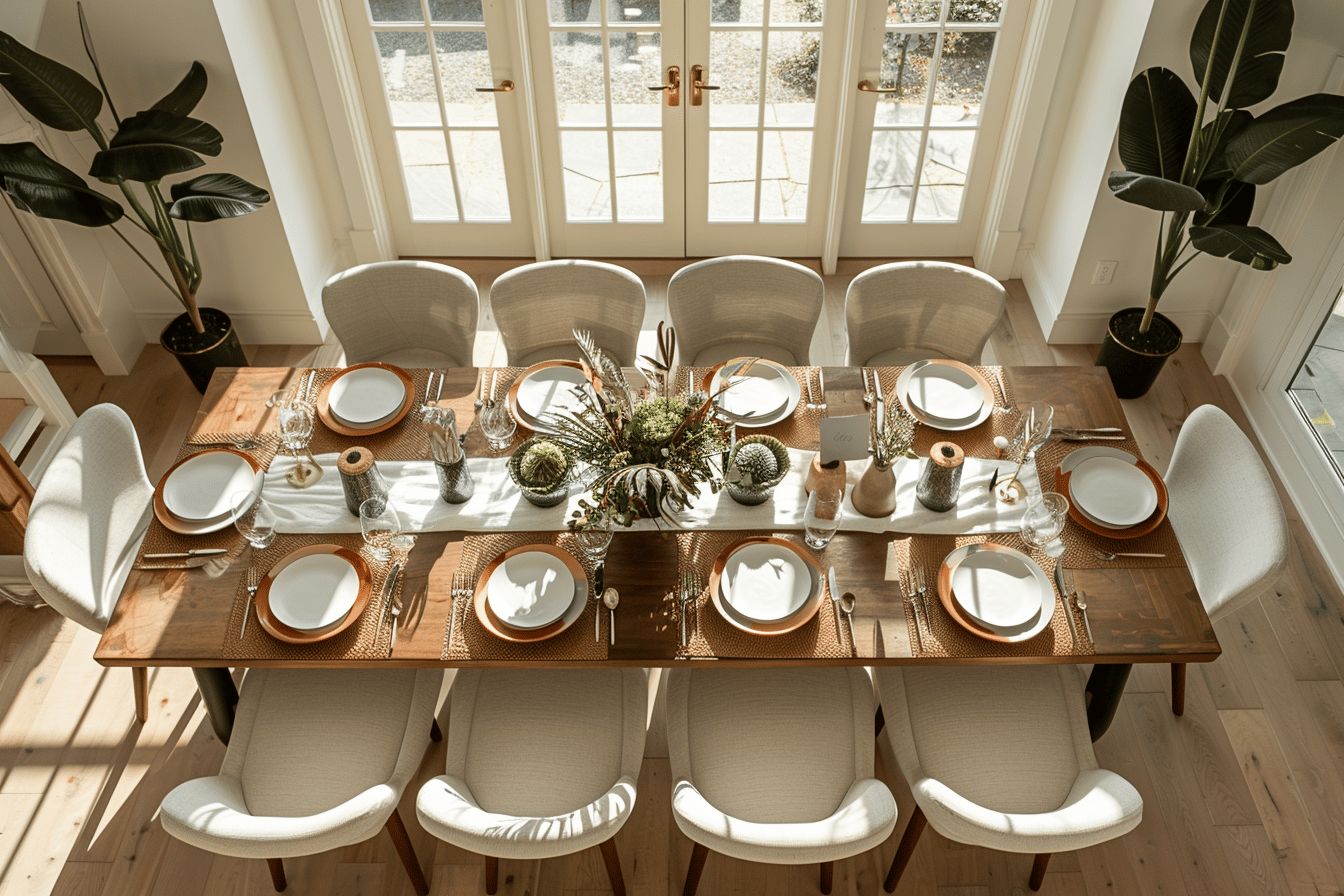
mix styles and dishes!

Transform your interiors with elegant pastel colors

Give a unique Boncoeurs gift

Olfactory elegance: reinvent your interiors
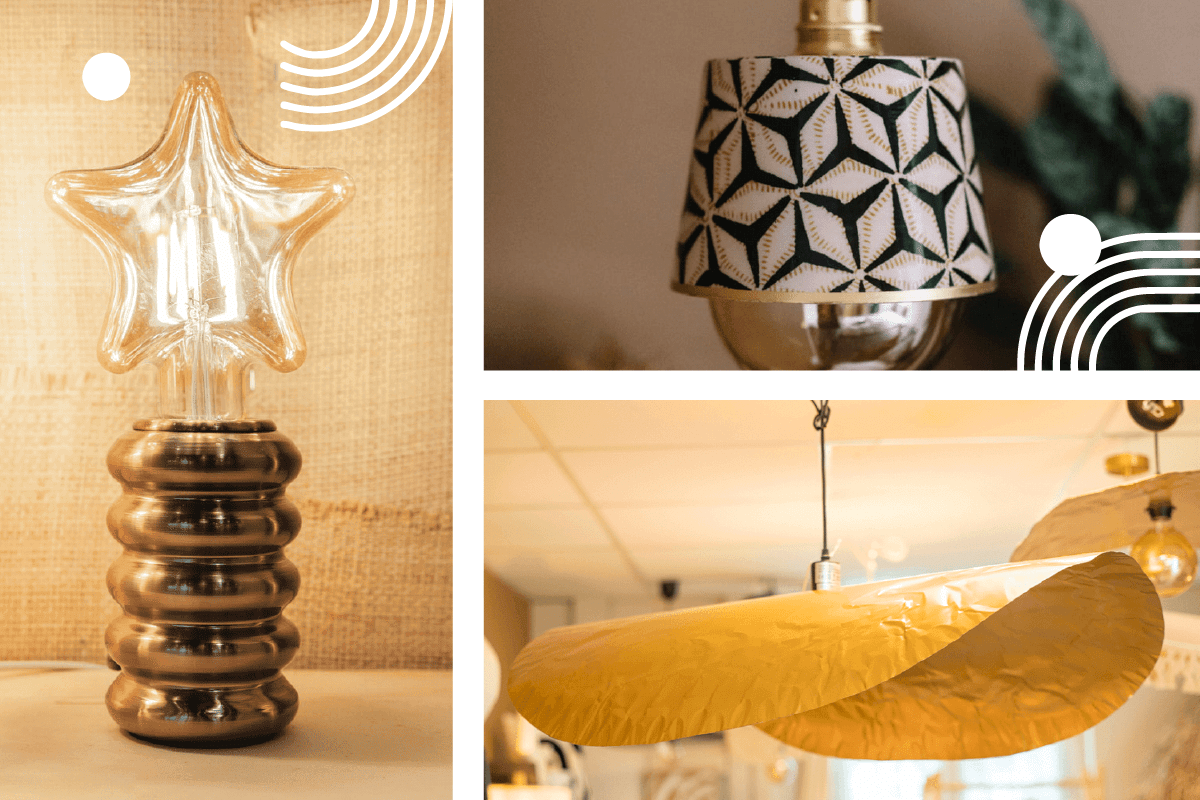
Brighten up your windowless space: effective tips