
Those who have a photovoltaic system on their roof can generally use the electricity they produce themselves or feed it into the public grid. For feeding into the grid, private individuals currently receive 13 ct/kWh of electricity for complete feeding and 8.2 ct/kWh for partial feeding (from August 2023, system up to 10 kWp). Compared to a market price of around 30 cents/kWh, if you use part of the solar energy you produce yourself you save over 20 cents/kWh. The problem of complete entry does not arise for owners of private homes.
Finanztipp has calculated that with partial feed-in a photovoltaic system costs up to 1,800 euros per kWp of nominal power (source: finanztip.de/photovoltaik). In other words: at this price you amortize the investment costs by saving on electricity costs over the normal lifespan of the modules of 20 years. If the price of electricity rises to a higher level, the system becomes more profitable or even a higher price for the photovoltaic system is still profitable.

The calculation takes into account the fact that, under advantageous conditions, the electrical energy of a photovoltaic system covers approximately 20-30% of its energy needs. The self-consumption rate is not higher because, on the one hand, the performance of a photovoltaic system varies with the number of hours of sunshine over the course of the year and, on the other, the production of electricity during the day does not occur at the same time as the consumption of electricity. Electricity is especially needed in winter and in the evenings, when the sun does not shine or no longer shines as brightly.
Self-consumption can be increased if electricity consumption during the day is shifted to the production times of the photovoltaic system, for example if the washing machine or dishwasher is turned on only when appropriate. Furthermore, the smaller the system, the greater the share of self-consumption. However, it should be kept in mind that smaller systems cost more per kWp of nominal power than larger ones and that with a small system you can use a greater part of the electricity you produce yourself, but you still have to buy more electricity from the (expensive) public grid, which means you have a lower degree of self-sufficiency. As a general rule, the system size should be at least 1 kWp of rated power per 1,000 kWh of annual electricity consumption. In this way you will reach a self-consumption quota and a degree of autarky of approximately 30%. However, for a family of four with an electricity consumption of 4,000 kWh per year, this means that at least 20 m² of unshaded roof area must be available for the photovoltaic system.
DO I NEED ENERGY STORAGE?
With further storage of electricity, the self-consumption rate and the degree of self-sufficiency of the photovoltaic system increase significantly. The battery absorbs solar energy when the self-produced electricity is not used in the home, instead of being fed into the public electricity grid. The energy storage system stores electrical energy without major losses and keeps it available until it is needed. With a large battery storage system it is possible to increase the self-consumption rate and the degree of self-sufficiency by up to 80%. If the storage capacity corresponds to the nominal power of the photovoltaic system, the degree of self-sufficiency reaches almost 60% and the self-consumption share exceeds 50%.
However, purchasing an electricity storage system also significantly increases the investment volume. Even though the prices of lithium-ion batteries have fallen significantly in recent years, you can still expect purchase costs of over 1,000 euros for a storage capacity of 1,000 kWh. Consequently, the production costs of self-produced electricity go from 11 cents/kWh for the system without electrical storage (1,800 €/1,000 kWp with 20 years of useful life and 100% efficiency) for a storage of the same size of 16 cents/kWh (1,200 €/1,000 kWh with 8,000 charging cycles and 90% usable capacity) to over Electricity 25 ct/kWh. However, it makes sense to invest more than the expected lifespan of the system. Because the total costs for the electricity you produce and consume yourself are still lower than the price of domestic electricity from the public grid. Investing in a photovoltaic system with battery storage is not only beneficial for the environment, but also for your wallet. However, only for a long period of time.
OPTIMAL USE OF SOLAR ENERGY AT LOW COST
With a photovoltaic system on your roof it is advisable to convert as much of your home technology as possible into electricity. Considering the lower costs for self-generated electricity, this also makes sense from an economic point of view, although of course the plant has to be larger to meet the increased demand for electricity and thus the investment volume increases.
Combine the photovoltaic system, with or without electric storage, with a heat pump. You use the solar energy produced not only as drive energy for the heat pump, but also for an electric heating element in the hot water tank, which uses excess electricity to heat the domestic water. And when the time comes to buy a new family car, switch to an electric car, which you can charge at low cost with the electricity you produce yourself from your photovoltaic system.
However, with the variety of energy consumers in the home, the complexity of the necessary energy management also increases. For example, the electric heating element or the washing machine should start when a lot of solar energy is produced, or any battery should be charged as a priority when a period of rain is foreseeable. It is therefore important that all components are connected to each other and optimally coordinated with each other. At you can count on the fact that your closest construction partner will also offer you the best possible solution for the energy management of your new, very personal dream home.
latest posts published
Elegance and versatility for your table
Plant shelf: transform your interior!

creative tips for your stay
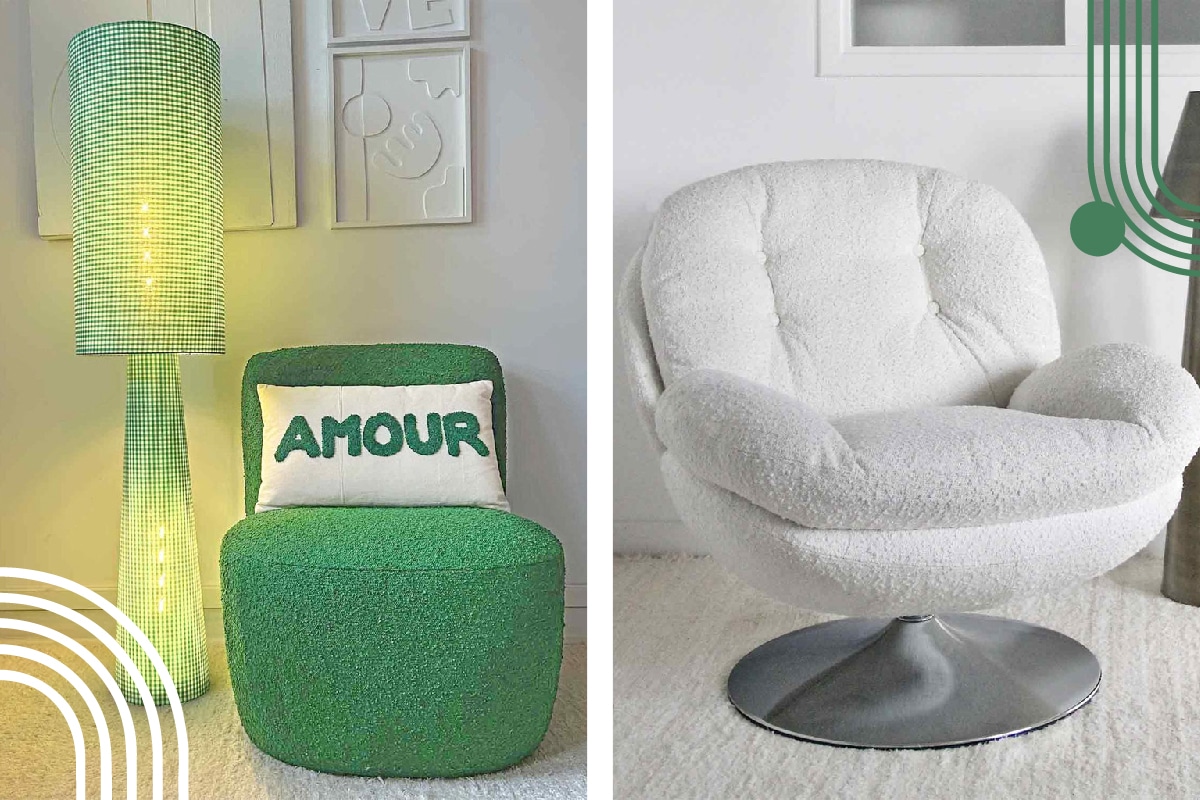
Comfort and style at home
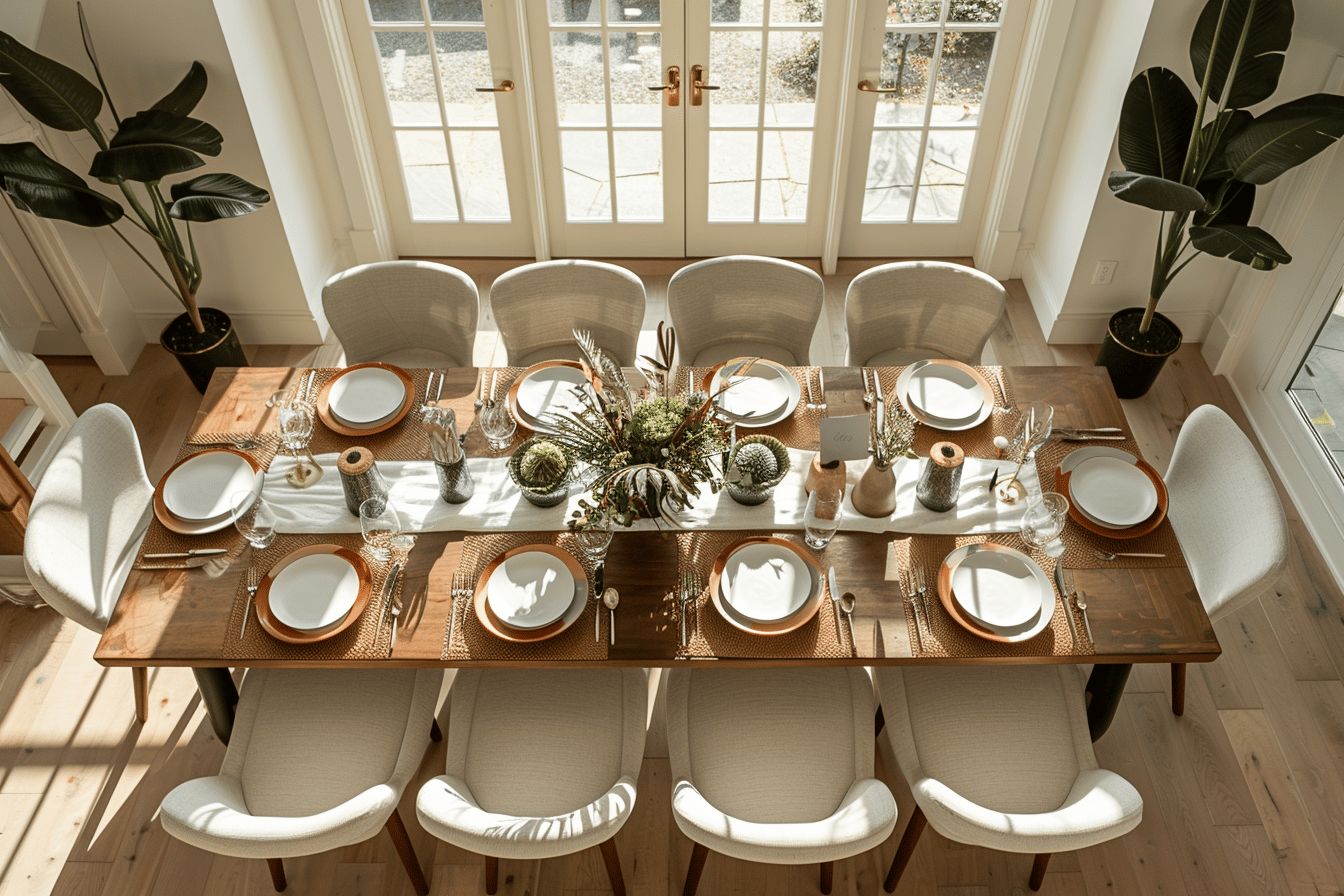
mix styles and dishes!
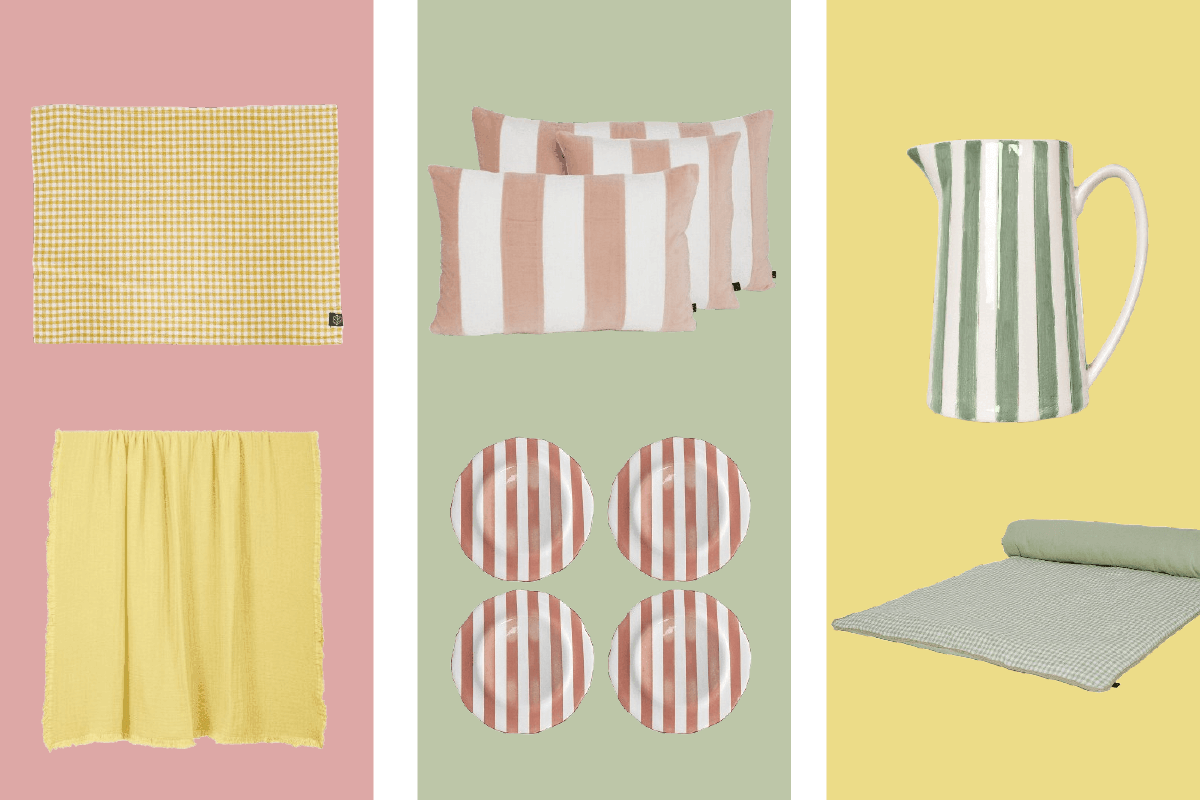
Transform your interiors with elegant pastel colors

Give a unique Boncoeurs gift

Olfactory elegance: reinvent your interiors
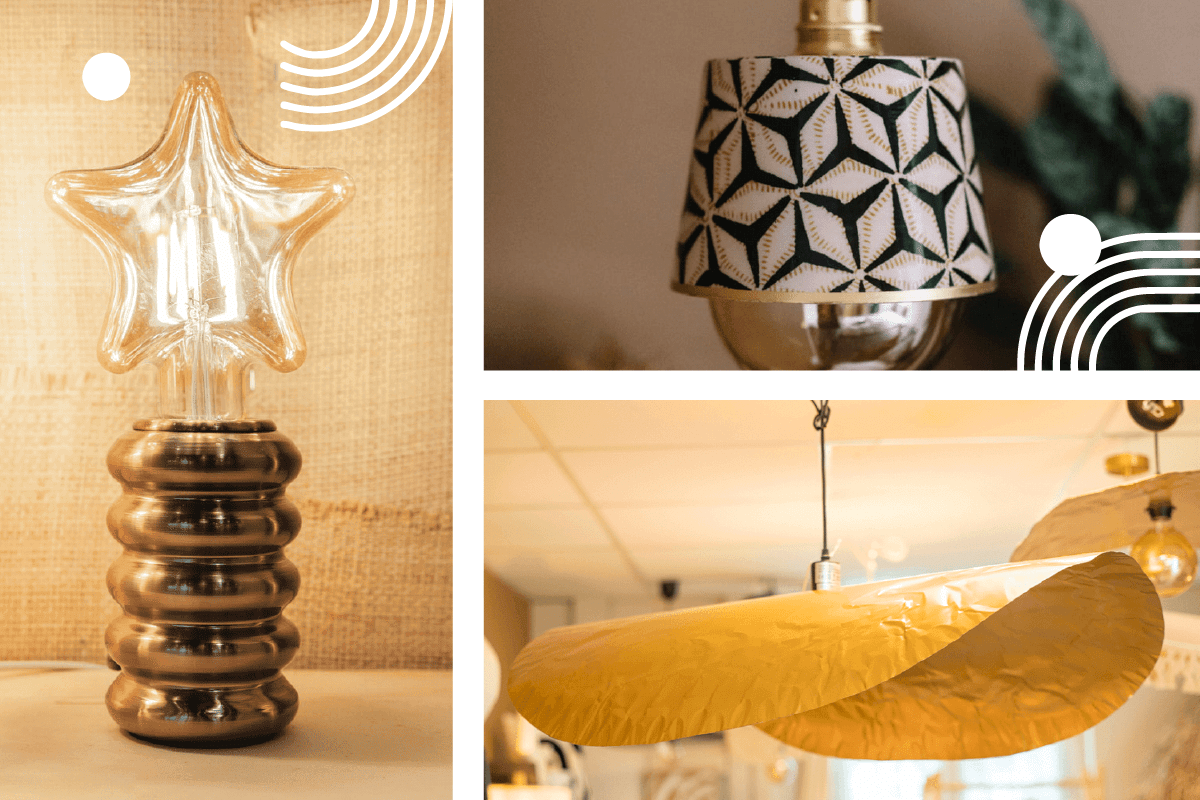
Brighten up your windowless space: effective tips