Why dedicate yourself to urban horticulture? Life in big cities is stressful, the need to quickly adapt is tiring, and the deep involvement in solving multiple problems is exhausting. Isolation from nature becomes a habit that leaves its mark on our lives.
In this context, urban horticulture appears as a useful connection between plants and the urban environment, what is at stake is the functional use of horticulture to maintain and improve life in this environment.
Under conditions of significant climate change and population migration to cities, technology-based agriculture acquires increasing importance in raising people’s living standards. EU statistics show that around 75% of the population (a higher percentage than the rest of the world) choose to live in cities, an accelerated urban development that raises multiple problems, from the reduction of arable land around cities to changing eating habits and waste recycling.
In this context, urban horticulture appears as an interconnection of plants with the art and science of the urban environment. The concept includes ornamental crops, fruit plants and other plants, in their fight against pollution and ever-rising temperatures, but also with the current concrete jungle.
Therefore, urban horticulture brings income, helps ensure food supply, helps improve the microclimate and preserve biodiversity, and is effective in solving environmental pollution and waste management problems.
Home and community gardening
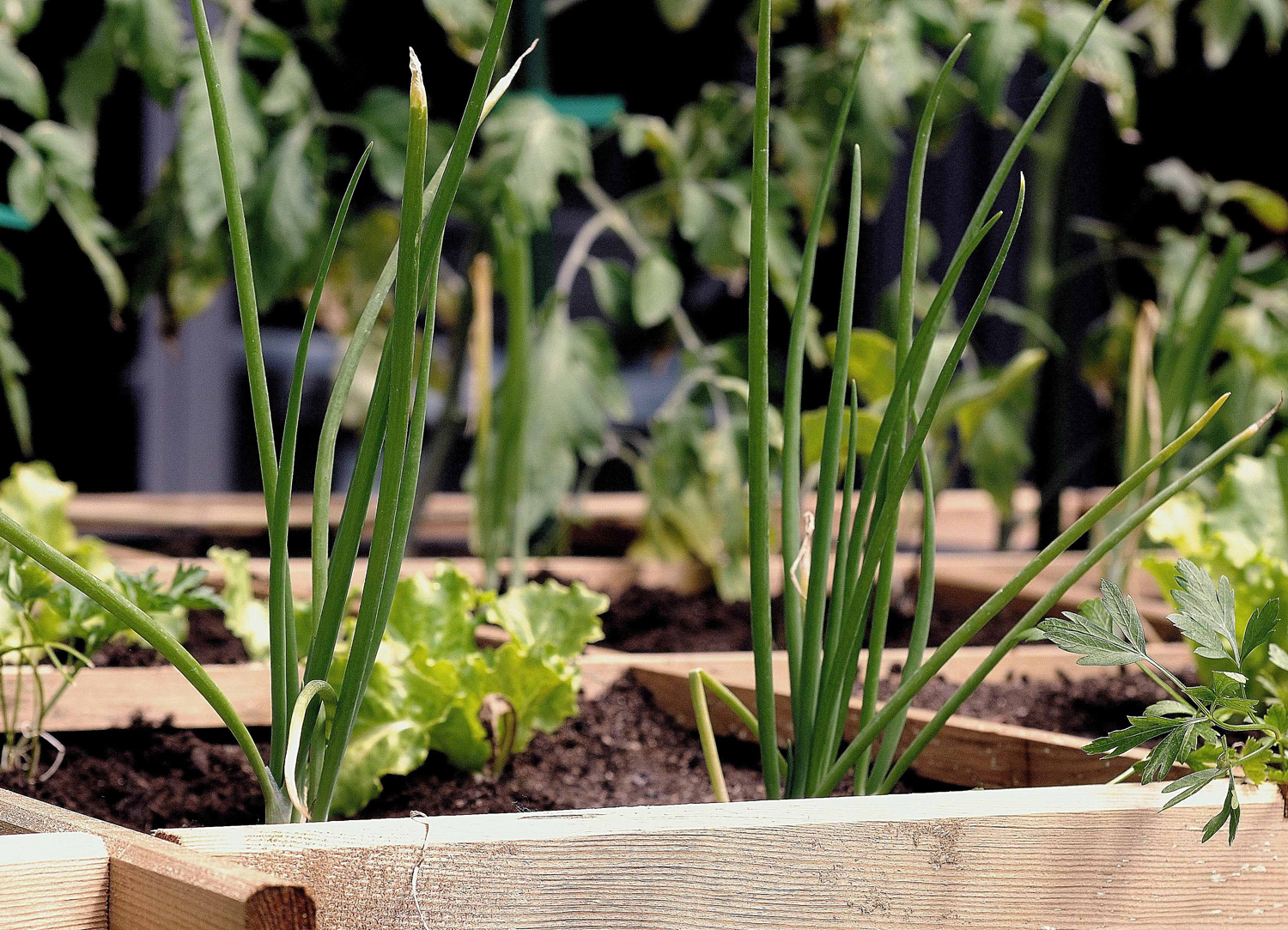
If you need fresh vegetables or herbs, the most convenient way is to produce them yourself. This activity constitutes a healthy and economically advantageous «hobby». In the kitchen, on the balcony or in the yard, gardening is an elementary form of urban horticulture, which benefits everyone.
If there are also community lands, such as some around condominiums or on the outskirts of cities, usually managed by the municipality, or the internal spaces of offices, then community gardening can be practiced, in which groups of people who belong to the community participate, sharing both their obligations and the results of their work. Urban community gardening ranges from growing useful plants to decorative arrangements.
Landscaping
Landscape gardening includes the cultivation of garden plants, lawns, stone gardens and water gardens, with adjacent landscapes, extending the concept of urban horticulture.
An important sector is that of floriculture which, by multiplying the use of plants and diversifying approaches, has become part of the modern lifestyle. It represents production activities of ornamental plants, cut flowers, lawn, making floral decorations and crafts and other services for such projects.
Another section of the current landscape is the window gardens. Annual plants are a suitable choice for pots. They have long flowering and vivid coloring. Vertically growing plants are also good, as are perennials. They all help improve the exterior of your home. For exceptional decoration, choose plants that match the colors and architecture of your home.
They are suitable for balconies and terraces planting in containers. Plants, both annual and perennial, adapt well to this style, they require large pots to grow, they can also constitute elements of delimitation between spaces.
The garden of aromatic and medicinal plants offers effective and at the same time useful solutions. Both find a place on balconies and generally have multiple roles: in gastronomy, in medicine, to ward off parasites or simply to give off a good smell.
For a relaxing environment and an effective escape from the chaos of the city, it is good to have a meditation garden. Its aim is to offer you a relaxing environment for body and spirit. The arrangements designed and the plants chosen have the aim of creating or preserving your well-being.
Z farming systems
Indoor cultivation systems are currently used, in specially designed buildings, in which a protected environment is created, which avoids contamination with external agents.
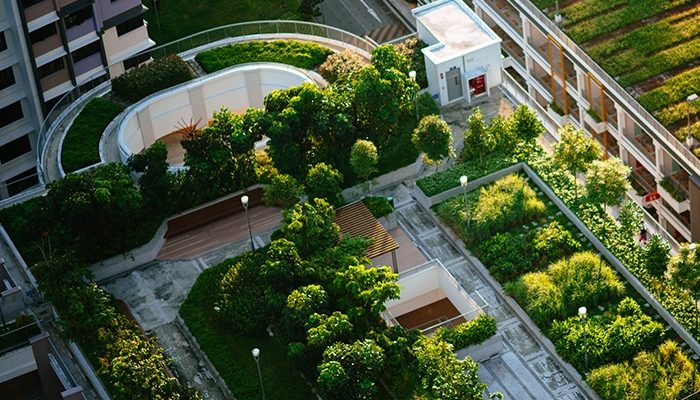
Another category is that of roof farming, in which open spaces are used, located on the roofs of shopping centres, supermarkets or hotels.
“Z-farming” type systems, which today represent one of the major concerns in Canada, USA and Europe, include indoor agriculture, vertical greenhouses (with edible plants), green walls, roofing, offering a valid alternative to classic systems.
Solar agriculture
Technological development has allowed the adoption of soilless cultivation techniques (on organic or inorganic substrates). Of these, aeroponics uses spraying the roots with nutrients, while hydroponics uses water as a nutrient-rich substrate. A brief comparison between the 2 shows that the former offers better yields but the latter is cheaper. Aquaponics is a combination of hydroponics and aquaculture, meaning plants grow using nutrients from fish waste. Each of these technologies saves water and land surface. A fourth technology is organoponics.
CONCLUSIONS
According to EU statistics, the percentage of green spaces in cities is decreasing with the increase in built-up space (in 2010 the EU average of built-up space was 492 m2/capita). Most European cities were built on fertile lands, their remains are located on the outskirts, in very small areas per inhabitant.
At the same time, it is estimated that, until 2050, population growth will double the demand for food, under these conditions food security will be endangered and the alternative of urban gardening has numerous advantages. Among these, the most important are energy saving, improving public health and supporting the environment.
In these conditions, the EU proposes the “Farm to Fork” strategy based on the sustainability and prevention of certain processes.
In the same vein, the “European Green Deal” promises to improve the living conditions of future generations through: clean air and water, healthy soils, biodiversity, energy-efficient buildings, healthy, affordable food, “clean” energy and sustainable products, which can be recycled and reused, as well as jobs and professional training adapted to change.
Relapse to the PIATRA brand PIATRAONLINE supports the community program for the development of urban horticulture through specific adjacent products: pebbles, rocks, gabions, stabilization systems, Japanese steps, garden furniture, decorative coverings, floating floor systems.
latest posts published

Elegance and versatility for your table

Plant shelf: transform your interior!

creative tips for your stay
Comfort and style at home
mix styles and dishes!
Transform your interiors with elegant pastel colors

Give a unique Boncoeurs gift

Olfactory elegance: reinvent your interiors

Brighten up your windowless space: effective tips