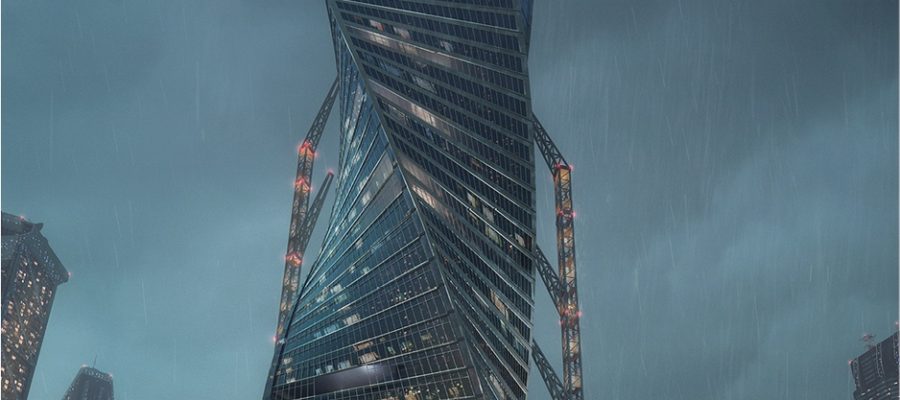
In ancient times, towers were often built for defense and observation, and were massive and solid in shape, like those of ancient Egypt and Babylon. These structures were also to serve as symbols of the power and prestige of their respective kingdoms.
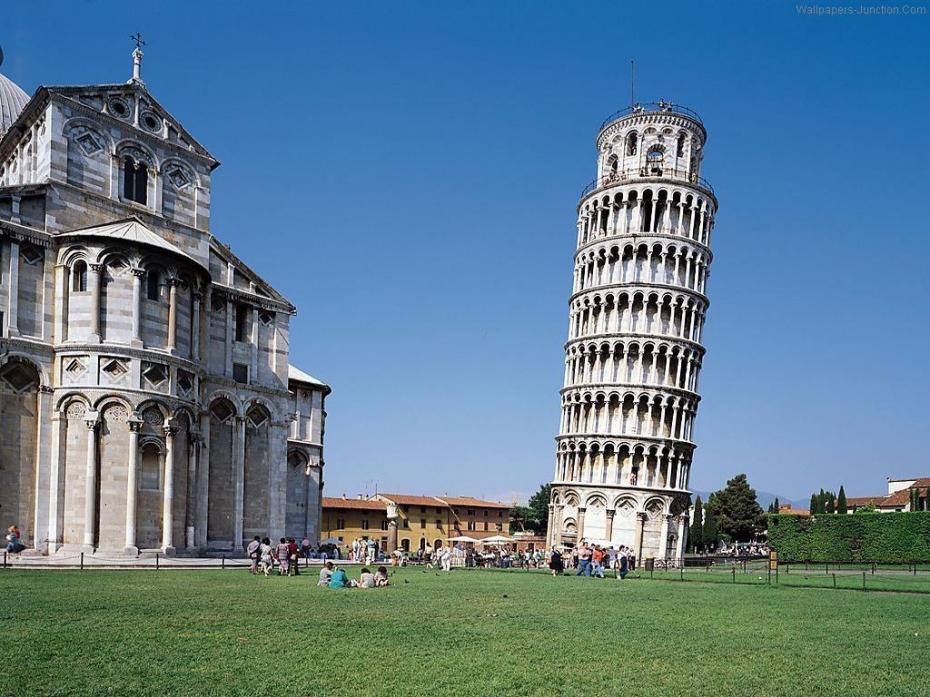
In the early Middle Ages, defense towers and bell towers were common elements of architecture, often of simple and massive shapes. A notable example is The Leaning Tower of Pisa, also known as the «Leaning Tower of Pisa» in Italian, is a medieval architectural masterpiece located in Pisa, Italy. This iconic tower, built over approximately two centuries, between the 12th and 14th centuries, is world famous for its unusual slope. With an original height of approximately 56 meters, it is built with 14,200 tons of white Carrara marble, a material that contributed to its splendor. The tower is made up of eight distinct levels and the seven bells in the tower were a characteristic feature of the structure. However, the bells could not ring for a long time due to the danger of the tower collapsing. The Leaning Tower of Pisa remains a stunning example of medieval architecture and a symbol of human perseverance in the face of structural adversity, attracting millions of visitors from around the world to its unique beauty and history.
Renaissance and Gothic architecture: structural innovations
During the Renaissance, architecture focused on proportion and symmetry, influencing the shape of towers. Observation towers became thinner and taller, like those of San Marco in Venice. At the same time, Gothic architecture produced tall, slender structures such as cathedrals, which introduced complex decorative elements and stained glass windows, influencing the shape of today’s towers.
The industrial revolution and the steel towers
With the advent of steel and modern construction technologies in the 19th century, the shape of the towers underwent a significant change. The Eiffel Tower in Paris (1889) represents an important point of reference in this evolution. With a tall, filigree steel structure, it has become a symbol of technological ingenuity. At the same time, towers with practical purposes, such as water towers and transmission towers, began to spread, taking on simpler and more functional forms.
Modern architecture and various forms
In the 20th century, modern architecture introduced a variety of forms to the world of towers. From tall office buildings like the Empire State Building (1931) to the organic and experimental structures of Frank Lloyd Wright or Gaudí, towers have become canvases for creative expression.
The 21st century and sustainable innovation
Nowadays, the shape of towers is largely influenced by the concepts of sustainability and energy efficiency. Tall towers often adopt aerodynamic shapes to reduce wind resistance and optimize energy consumption. Smart technologies are also used to control lighting, temperature and other aspects of operation.
In conclusion, the form of towers under construction has evolved significantly throughout history, from massive, defensive structures to complex, innovative architectural creations. Changes in technology, aesthetics and functionality have led to an extraordinary diversity of shapes and styles, and current trends place an increasing emphasis on sustainability and energy efficiency. It is fascinating to watch how these structures continue to evolve in an ever-changing world.
The importance of natural stone in the ventilated facades of the towers
Ventilated facades are extremely important in tower construction and have several significant advantages that make them a preferred option in modern architectural designs. As regards the use of natural stone in the construction of these facades, it can prove to be an excellent material for obtaining both the desired aesthetic appearance and the required technical performance. Here are some key points:
Energy efficiency
Ventilated facades are designed to create an air gap between the insulation layer and the external building envelope. This cavity acts as an additional thermal barrier, reducing heat loss in winter and protecting the building from overheating in summer. Therefore, ventilated facades can significantly contribute to the energy efficiency of the building.
Protection against humidity
The layer of air behind ventilated facades helps to evacuate humidity and condensation from the building, thus reducing the risk of damage to the structure over time.
Durability
Natural stone is known for its durability and resistance to adverse weather conditions. This makes natural stone an excellent choice for the exterior cladding of buildings, including towers.
Aesthetic appearance
Natural stone offers a variety of textures and colors, which allows architects to create unique and aesthetic facades. This can add value and beauty to the project.
Design flexibility
Natural stone can be worked into various shapes and sizes, which gives architects flexibility when designing towers. This can lead to the creation of unique and impressive structures.
Sustainability
Natural stone is a natural and recyclable material, which can contribute to a lower environmental impact than some man-made alternatives.
In conclusion, ventilated facades and the use of natural stone in the construction of towers represent an effective and aesthetic combination for modern architectural projects. They can bring multiple benefits, including energy efficiency, durability and aesthetics, making them a valuable option in the construction world.
The RAW collection: revealing the true beauty of natural stone
The new collection of RAW textures reveals the true character of the stone. To create the RAW texture collection, the stone is worked in such a way as to bring out its raw beauty. We use cutting-edge technologies, but only to look beyond the surface and discover nature in its authentic and uncontaminated form. The RAW finishes highlight the unique textures of the stone, the veins hidden for millions of years, the fascinating asymmetries that give value to each slab.
Unlike classic, perfectly polished and shiny finishes, the strength, robustness and roughness of the RAW collection offers an ultra-modern look to any environment. The natural stone slabs, part of the new RAW collection, are true works of art. A unique combination of elegance and durability, this collection emphasizes the high-quality finishes and natural beauty of the stone. Each piece is unique and has been perfected over millions of years, through the natural processes that gave it leaves a specific texture and color.
The beauty of nature is remarkably represented by the variety of shades present in these natural stone slabs. They have a special structure and are available in a wide variety of colors, from soft gray and beige tones to warmer tones such as red or brown.
Furthermore, these natural stone slabs have been finished with the utmost care and precision to provide a smooth and uniform surface that can blend seamlessly with any interior décor. Available finishes include a variety of options, from glossy to matte or textured, so we can offer you the perfect solution for any type of landscaping project.
While the beauty of these natural stone slabs is evident, they are also extremely resistant to wear and tear, ensuring long-term durability and value. These sheets are ideal for use in a variety of environments, from kitchens and bathrooms to living rooms and hallways. Each piece can be cut and tailored to perfectly fit any space, making this collection of natural stone slabs the perfect choice for any interior or exterior design project.
latest posts published
Elegance and versatility for your table
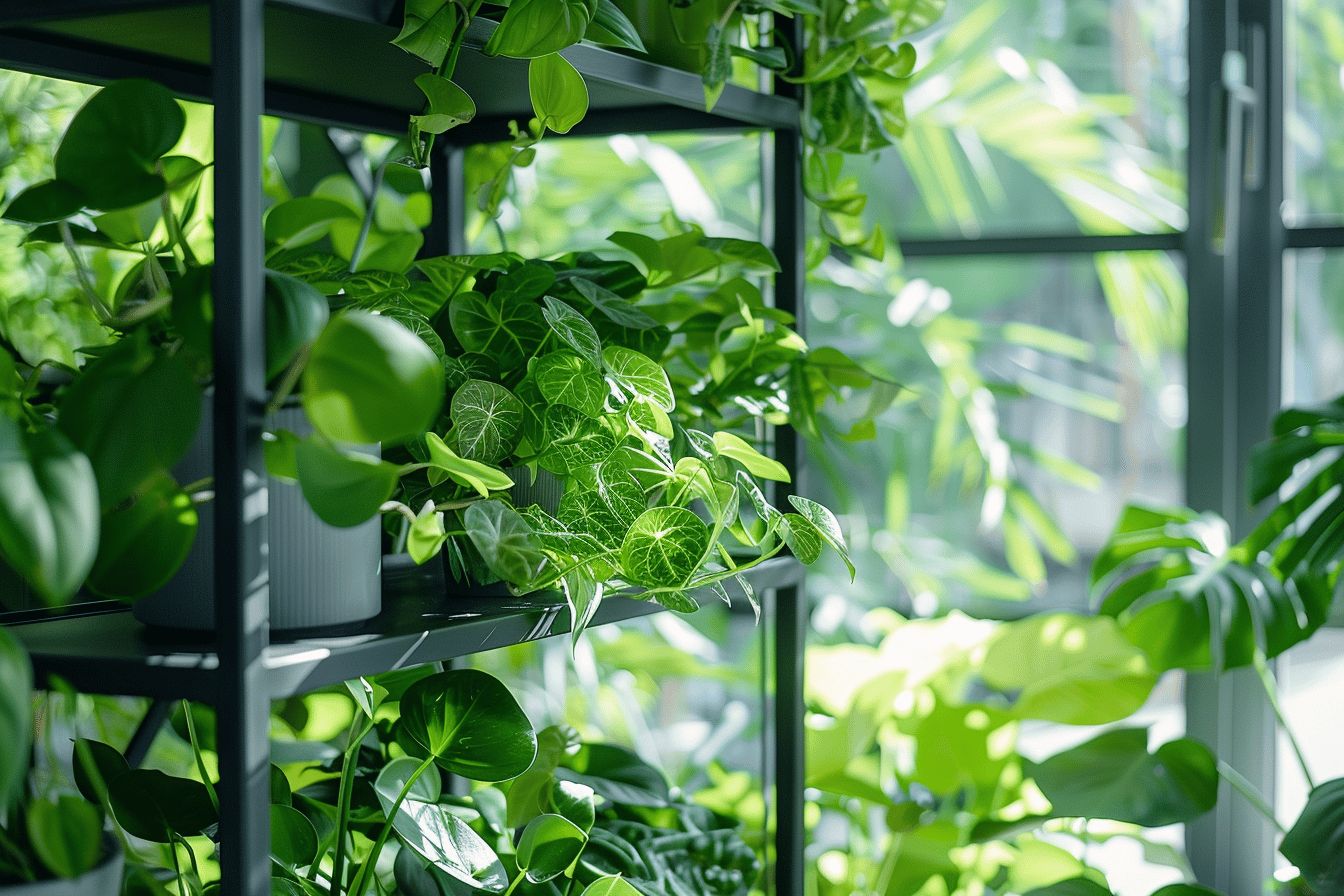
Plant shelf: transform your interior!
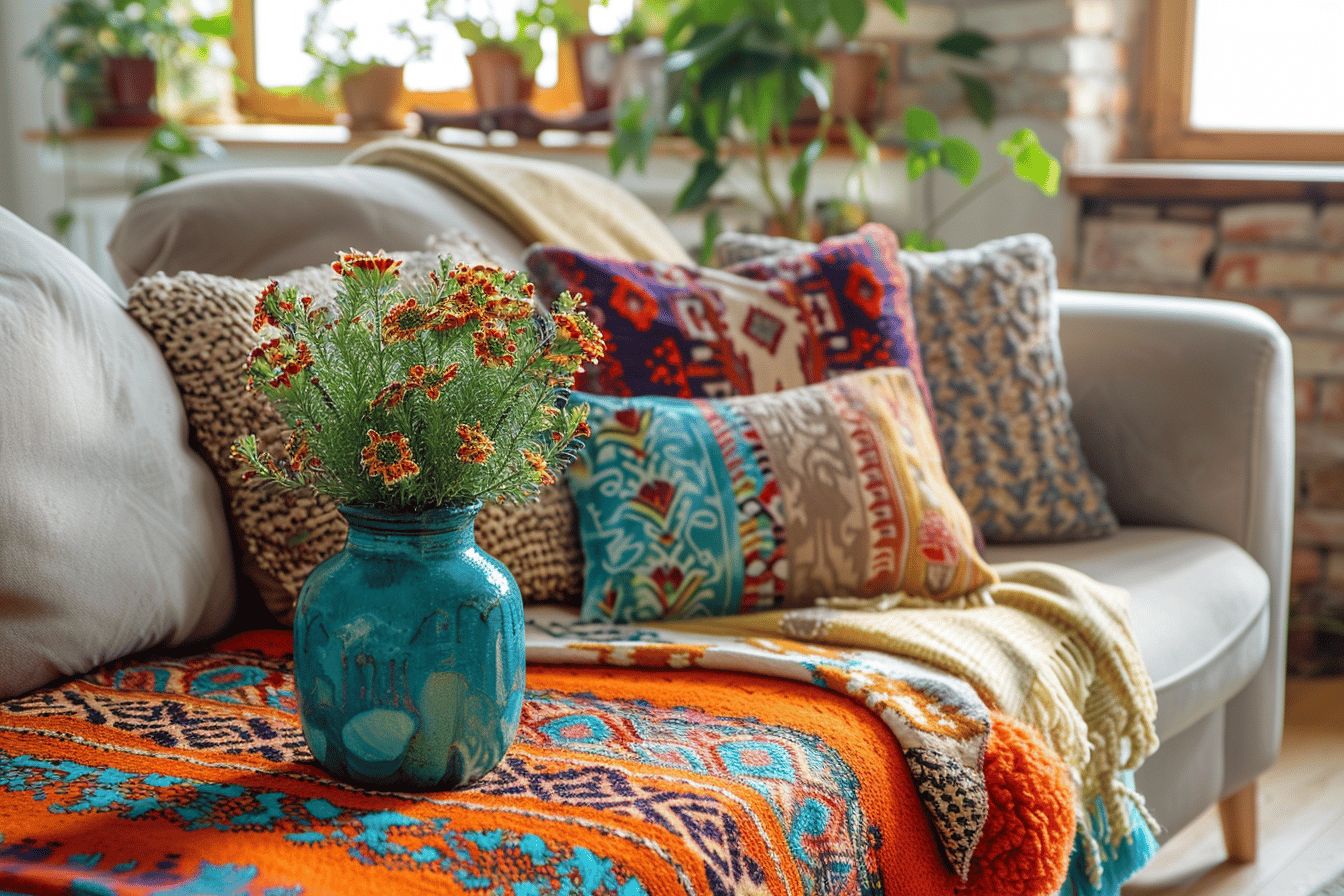
creative tips for your stay
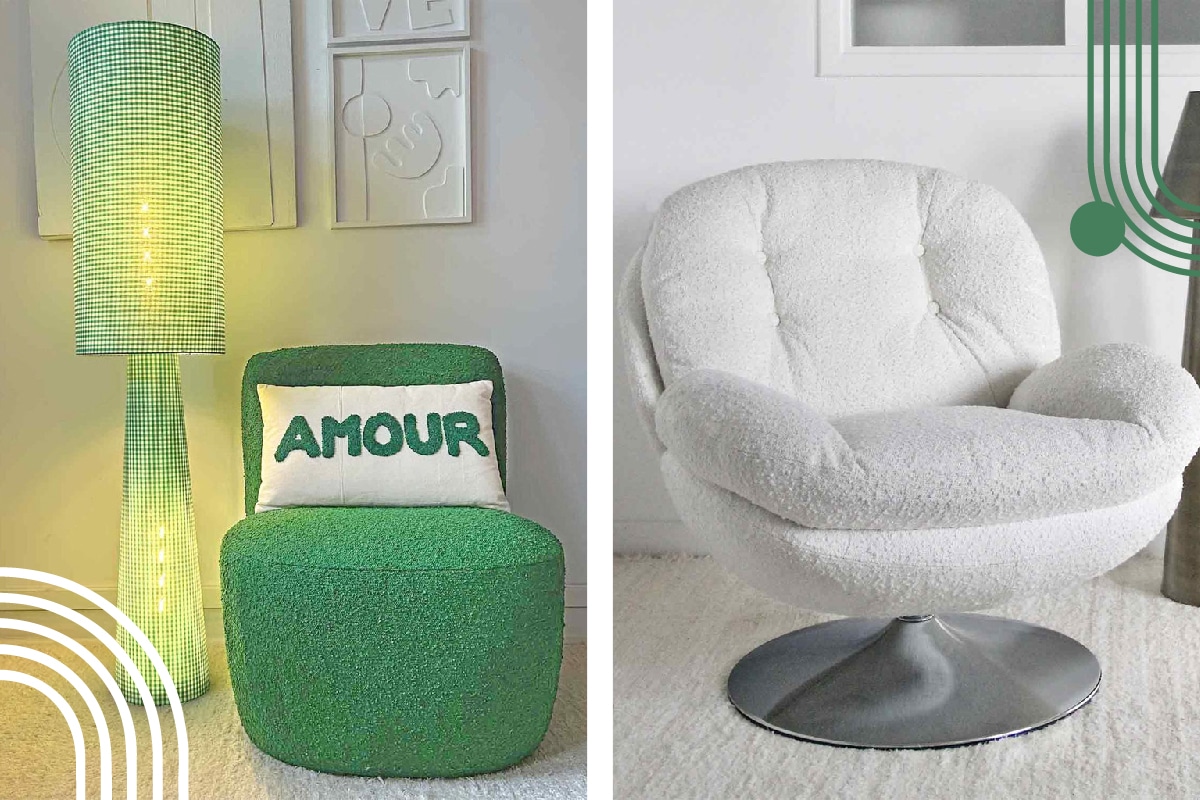
Comfort and style at home
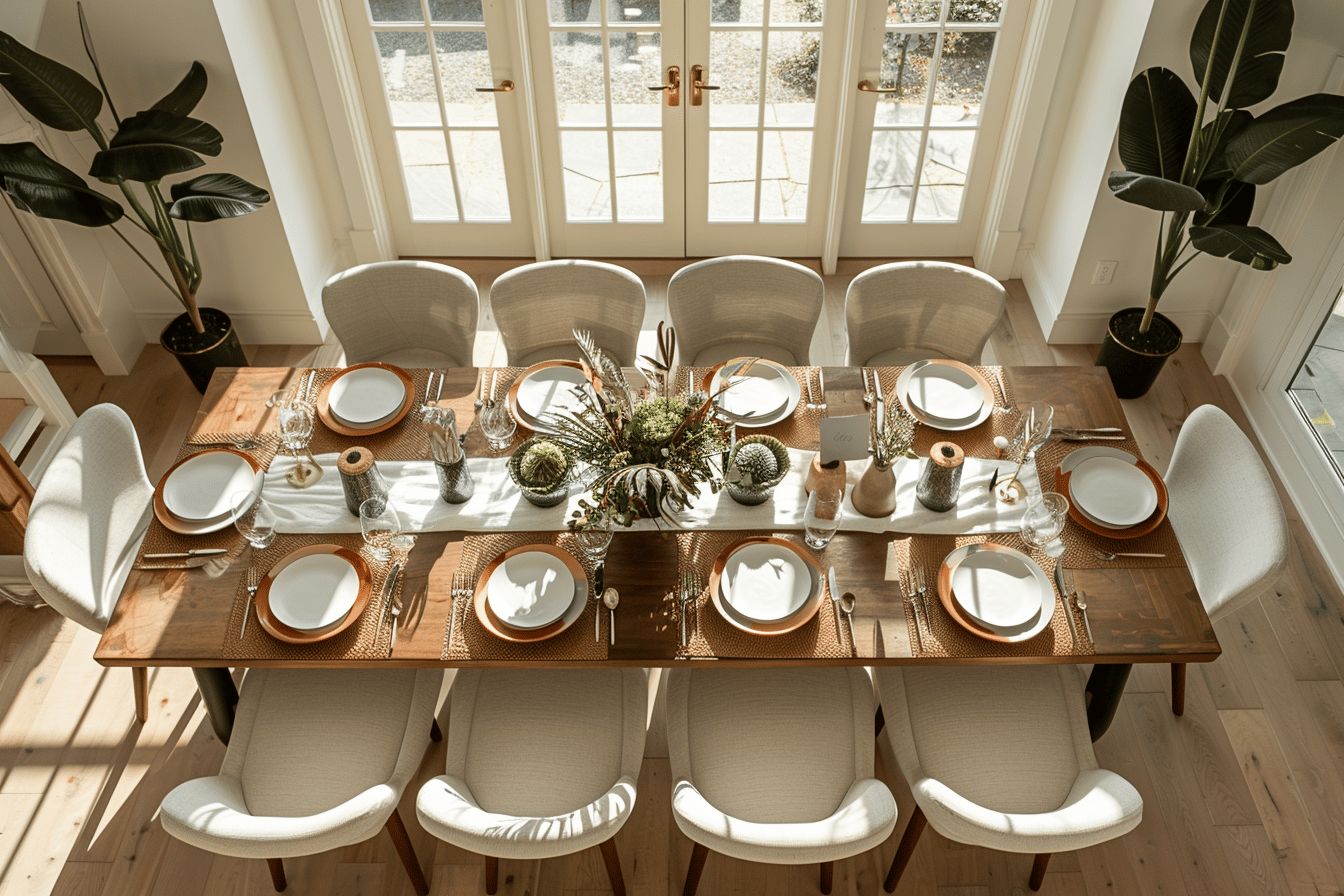
mix styles and dishes!
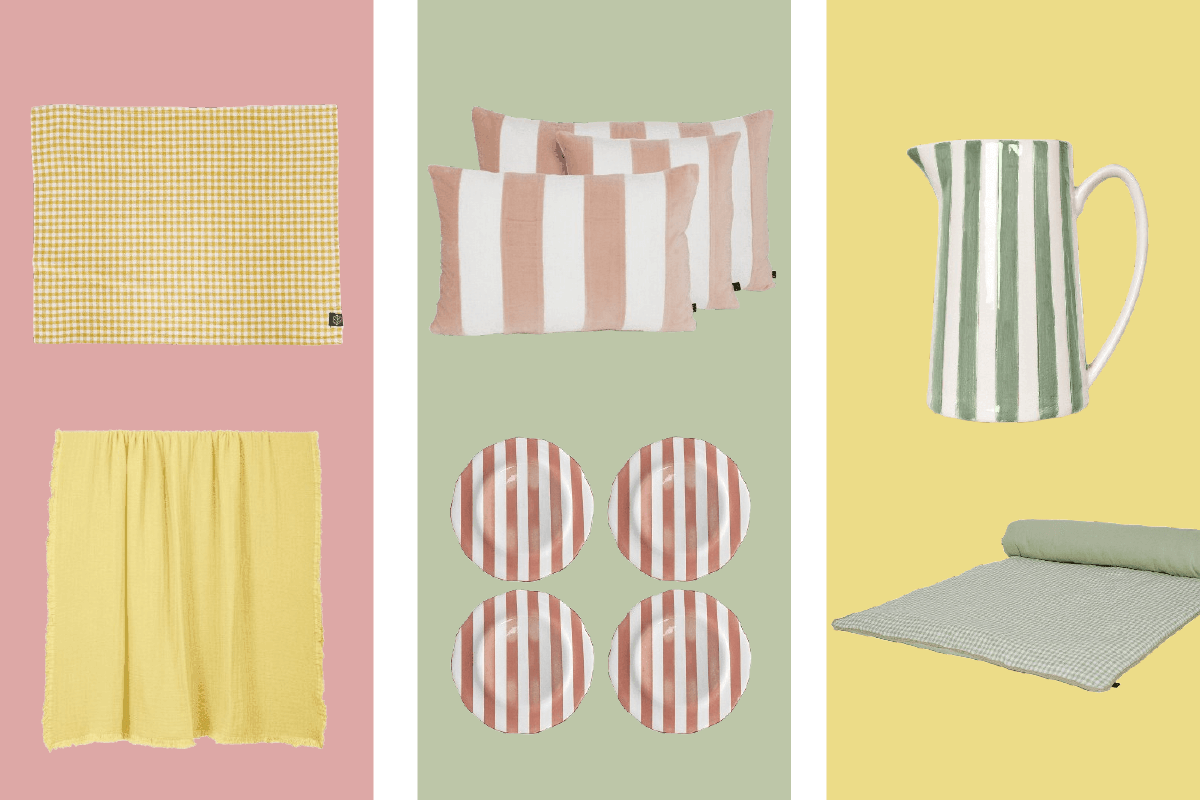
Transform your interiors with elegant pastel colors
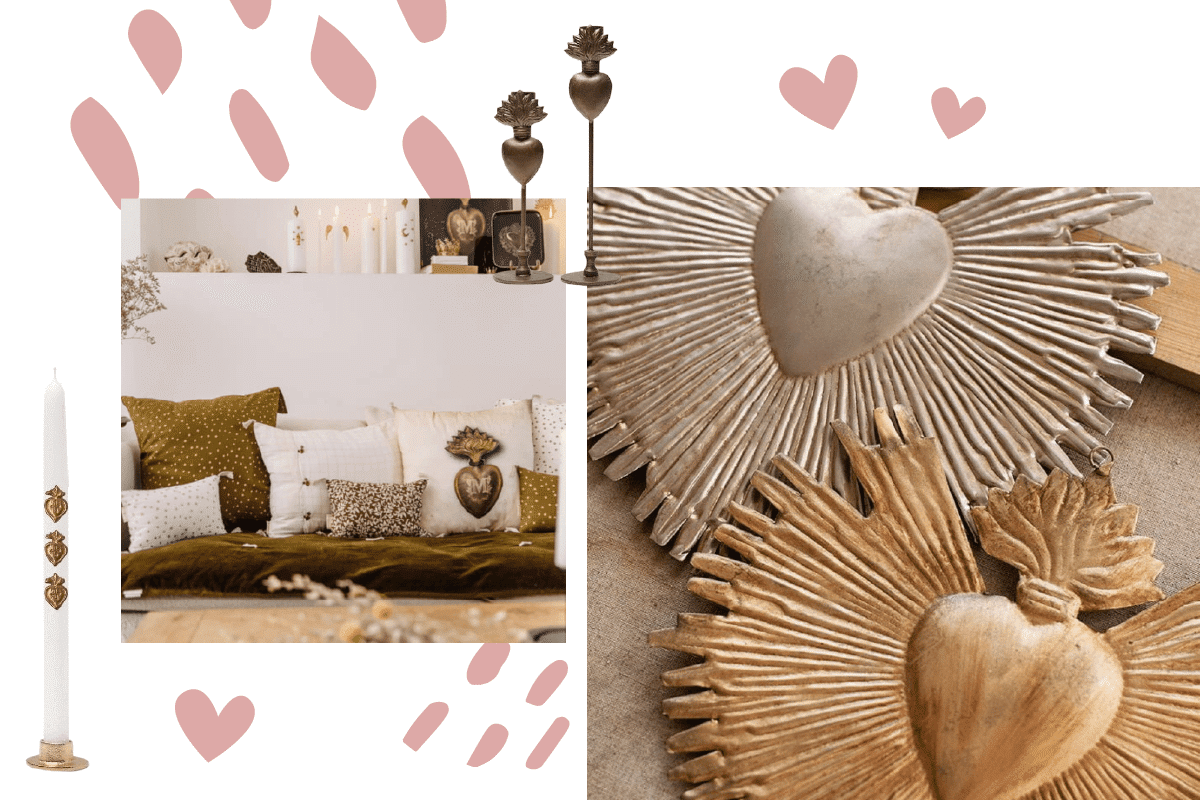
Give a unique Boncoeurs gift

Olfactory elegance: reinvent your interiors
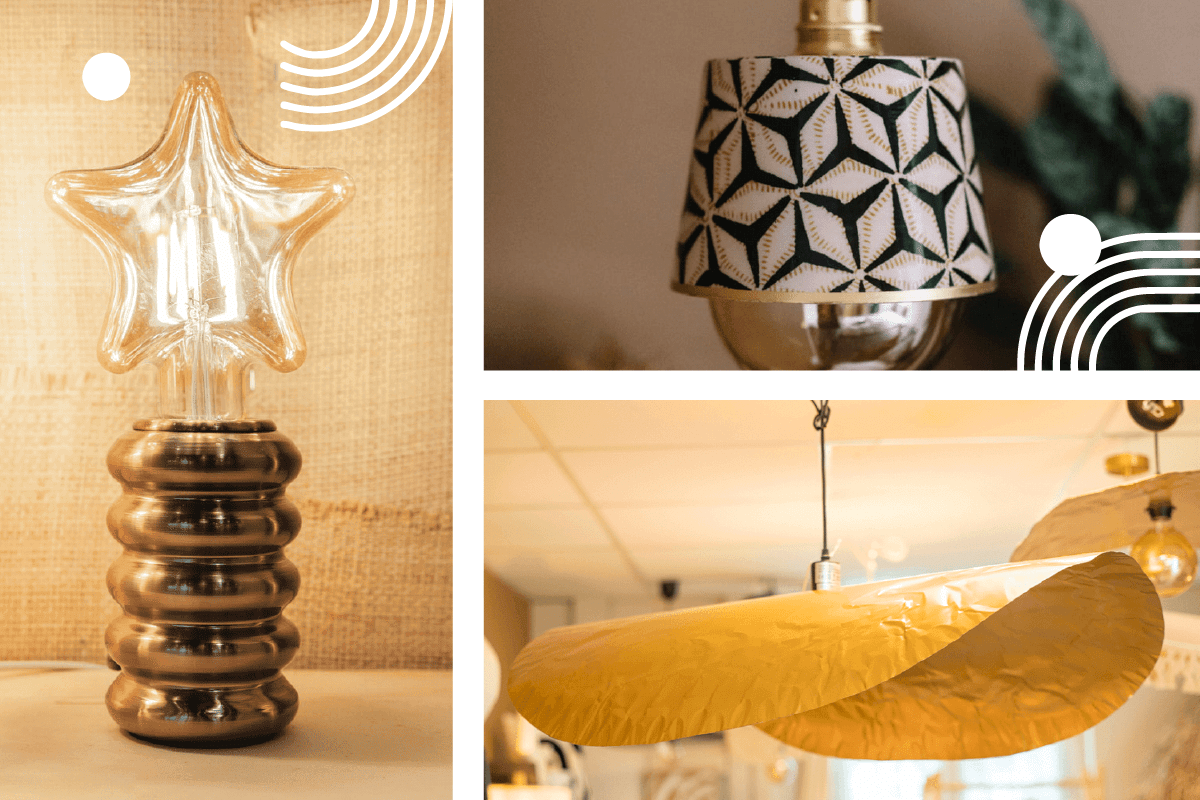
Brighten up your windowless space: effective tips