
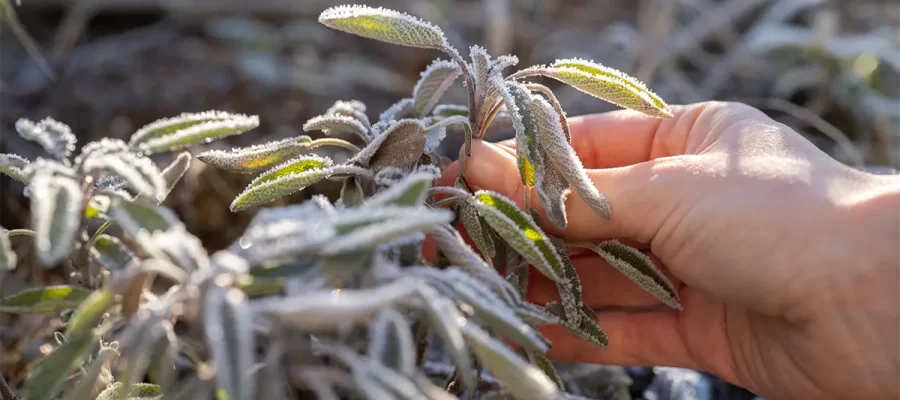
When out Frost When the flowerbeds are covered and the garden rests, one plant is often still surprisingly green: sage. Especially in December, many wonder whether it is still possible to harvest the aromatic leaves or whether this would damage the plant. The good news: sage can even be used in winter if you know how. Here you will find out when it makes sense to harvest it, what mistakes you should avoid and how you can use sage as a tea, culinary herb or home remedy in the cold season.
Winter sage: harvest it or let it rest?
wise it is a true all-rounder that tolerates not only heat but also cold surprisingly well. But especially in winter the question arises: is it still possible to harvest the aromatic leaves safely?
The answer is: yes, but carefully!
In winter, the plant retreats into its roots and puts its energy into survival mode. This means: too vigorous harvesting weakens the plant unnecessarily. Therefore, use scissors only on frost-free days and specifically cut some leaves. The upper, non-woody shoots are best suited. Suggestion: Collect in the morning when the dew has evaporated. You should avoid frozen leaves as they become mushy once thawed.

Why sage is so precious, especially in winter
Sage is not just a cooking spice: its ingredients make it a real all-rounder, especially during the cold season.
- Essential oils: Anti-inflammatory and antibacterial.
- Tannins: Soothe irritated mucous membranes.
- Vitamin C: Supports the immune system.
- Flavonoids: They have an antioxidant effect and strengthen cells.
In the winter, sage is particularly useful for:
- Sore throat and cough
- Inflammation of the mouth and throat
- Digestive problems
Sage tea cannot be missing from every winter pharmacy: it is not for nothing that it has been considered a natural remedy for centuries.
Collect and identify wild herbs in nature
Wild and garden herbs can greatly enrich our health, but you should know what you harvest. You should only collect what you can positively identify. To pass on our knowledge of wild herbs to you, we have written a book on herbs, ideal for getting started. “With wild herbs and medicinal plants all year round“(available here) shows over 50 important wild herbs and medicinal plants. They are easy to recognize thanks to the helpful pictures we took ourselves, but of course we also describe them. For each plant there are recommendations for use in the medicine cabinet and witch’s kitchen. We also show you impressions from our garden and nature. Our herb book and all our other products were developed by us and can not be found in bookstores, but only in our online shop Herb Witch directly from us www.die-moderne-Kräuterhexe.de
Sage tea for sore throat
Sage tea is the classic of the cold season. It not only helps against sore throats, but also warms from the inside and provides a moment of calm.
You need:
- 1 tablespoon fresh or dried sage leaves
- 250 ml of hot water
- 1 liter of honico
Here’s how:
- Pour boiling water over the sage leaves.
- Leave to infuse for 10 minutes.
- Strain and sweeten with honey if desired.
How to Protect Your Sage in Winter
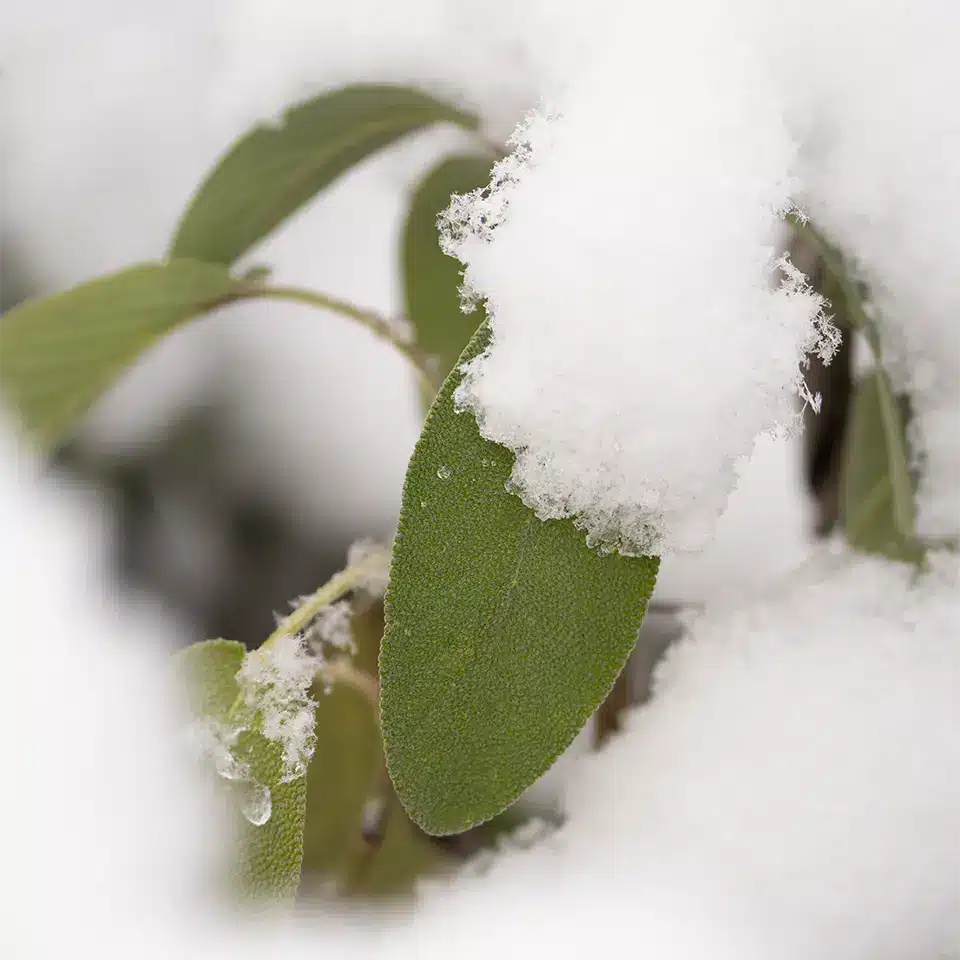
Sage is hardy, but a few protective measures can’t hurt. Especially in very cold regions it is worth supporting the plant a little:
- Mulch layer: Cover the root area with straw or brushwood to prevent frost damage.
- Potted plants: Place them in a protected place or greenhouse.
- No strong pruning: In autumn you should not cut the sage radically, but in spring only remove the dead shoots.
Get to know wild herbs better
Looking for inspiration for your medicine cabinet or more healthy, seasonal recipes? Then it’s ours Wild Herbs Magazine (available here) the ideal guide for you. It offers culinary and naturopathic recipes suitable for every season and stimulating specialist articles on the wild plants of our homeland. In the current winter issue you will also find a healthy biscuit recipe. We publish the magazine just like we publish our books without the help of a publisher. All issues published this year are still available. To ensure you don’t miss any magazines next year, we also offer a subscription that ends automatically after one year and can no longer be extended.
Sage in the winter kitchen – a surprising highlight
Sage is not only a medicinal herb, but also a real taste experience in the kitchen. The aroma expresses itself particularly well in hearty winter dishes.
Recipe idea: Sage butter for winter dishes
You need:
- 100 g Butter (hot)
- 5 fresh sage leaves
- Salt
Here’s how:
- Finely chop the sage leaves.
- Mix with butter and a little salt.
- Let the mixture solidify in the refrigerator.
Application: Perfect with pasta, potatoes or as an aromatic addition to Christmas dishes.

Smoking sage in winter: an ancient ritual
Sage is not only drunk or eaten: it has also played a role in smoking for centuries Difficult nights an important role. Especially in winter, when the days are dark and the nights are long, smoking with sage creates a special atmosphere.
Effects of Sage Smoke:
- Purifies the air of negative energies.
- Promotes inner peace and clarity.
- Create a festive atmosphere.
Here’s how:
- Place dried sage leaves in a fireproof bowl.
- Turn it on and let it simmer slightly.
- Let the smoke spread slowly through the room.
Sage – A winter hero in the garden and kitchen
Sage is not only a symbol of health, but also a reliable companion in the cold season. With the right care, you can collect the leaves even in winter and use them for herbal teas, cooking rituals and smoking. Whether it’s a warming tea, a fragrant incense, or a spicy ingredient, sage remains a versatile herb that shouldn’t be missed, even in winter.
latest posts published
Elegance and versatility for your table
Plant shelf: transform your interior!

creative tips for your stay

Comfort and style at home
mix styles and dishes!

Transform your interiors with elegant pastel colors

Give a unique Boncoeurs gift

Olfactory elegance: reinvent your interiors

Brighten up your windowless space: effective tips