
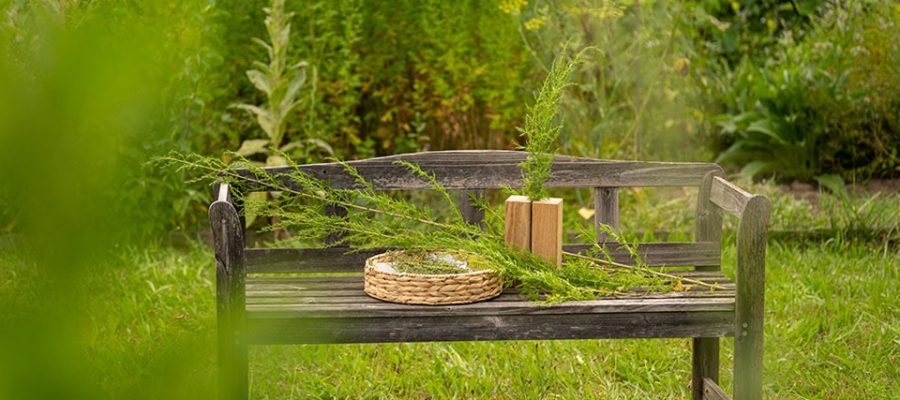
Annual mugwort (Artemisia Annua) is a medicinal plant of great interest because it has been the subject of extensive research in recent years and its main active ingredient, artemisinin, is used against malaria. The plant, originally from China, is rarely found here, but can be grown very well in the garden. We’ll show you how we did it and take a closer look at some studies and ingredients.
Presence and ingredients of Artemisia Annua
Artemisa Annua, the annual mugwort, belongs to the Asteraceae plant genus and is extremely rare to find in the wild in this country. It is not to be confused with the local one mugwortwhich is perennial (Artemisia vulgaris). We find it in summer along roadsides and in the woods. Artemisia Annua is an annual plant and originally comes from China and Vietnam. For this reason the plant also plays an important role in traditional Chinese medicine.
The ingredients of the plant are very interesting. More than 600 ingredients can be found in it. In addition to amino acids, Eisenmanganese, calcium or zinc, essential oils, antioxidants and bitter substances are also contained. It also contains a relatively high amount of vitamin E. But the main active ingredient, artemisinin, is particularly interesting.
Important educational video on Artemisia
You will find many useful instructional videos on our YouTube channel. All videos are obviously free and freely available. We would be happy if you subscribe to our YouTube channel. This way you support our work and don’t miss any of the next videos. Here go to the video.
Artemisia Annua in research
Artemisia Annua has been on everyone’s lips since at least 2015, when the Chinese researcher Youyou Tu received the Nobel Prize for the discovery of artemisinin. This active ingredient is successfully used against malaria (see aerzteblatt.de Nobel Prize in Medicine for the discovery of avermectin and artemisinin of 5 October 2015). Artemisinin is found mainly in the leaves of the plant.
Studies are also underway on its use in cancer and in relation to viral diseases. It has been shown that Artemisia Annua can destroy cells with higher iron concentrations, such as cancer cells. Artesunate, a semichemical substance extracted from annual mugwort and known as an antimalarial, was used here. Hamacher-Brady, A., Stein, H.A., Turschner, S., Toegel, I., Mora, R., Jennewein, N., Efferth, T., Eils, R., Brady, N.R., 2011. Artesunate activates mitochondrial apoptosis in breast cancer cells through iron-catalyzed production of lysosomal reactive oxygen species. J. Biol. Chemistry, 286(8): 6587–6601. [doi:10.1074/jbc.M110.210047]
Mugwort in our wild herbs book
Have we managed to arouse your interest in medicinal plants? Our passion for wild herbs and medicinal plants has led us not only to cultivate, observe and try many things from the garden, but also to write about them. That’s why our herbalist’s shop is here www.die-moderne-Kräuterhexe.de developed. There you will find, among other things, our book “With wild herbs and medicinal plants all year round“(available here), in which we show the most important local wild herbs. There are tips for using each herb in the medicine cabinet and witch’s kitchen. The book is structured seasonally, so you can always find the right plants in all seasons. Of course, Artemisia (vulgaris) and (annua) are also listed in the summer chapter. Of course, recipes for mugwort ointment or other ideas for using mugwort are also listed there.
Artemisiaannua has also come into question in relation to the current situation. The reason is a 2005 study that examined how well traditional Chinese medicinal plants work against the SARS virus. Artemisia Annua was among the plants studied and raised hopes that with further research it could be used to develop an agent that could be used against this or similar viruses.
At the moment there is no study proving that Artemisia Annua helps against the current virus, but at the beginning of the pandemic there was a real rush for products containing Artemisia Annua.
How to use Artemisia Annua?
Artemisiaannua can be used as a tea, tincture, incense, extract, cold extract, powder or ointment. There is now a wide range of application areas, both internally and externally. The plant is used in folk medicine, for example, to treat infections, colds, fever, fungal infestations, parasites or to strengthen the immune system. It is also considered an adaptogen. However, this effective plant should not be taken without reason.
The dosage and duration of use depend on the symptoms and should be discussed with a therapist or doctor. In the studies carried out so far, no serious side effects have been reported. It is important that Artemisia Annua is not taken during meals and not in association with foods or preparations containing iron.
Learn more about wild plants and medicinal herbs
For the littlest nature lovers we have our children’s discovery book «Ben and Mara discover the world of wild herbs«Written. Many thanks to Ute for her review of our discovery book: «I think the products of the modern herb witch or Kraeuterkeller are great because they allow me to easily recognize wild herbs and reuse them in the kitchen and in the medicine cabinet. I am also subscribed to the Telegram channel Kräuterkeller and together with the seasonal wild herb calendar I have very good information about the season and I am becoming more and more an expert and fan of wild herbs! I use this book very well in my work as a primary school teacher (e.g. in my… Environmental Protection AG) and with my 6 year old son!
How can you grow Artemisia Annua yourself?
Since annual mugwort is not found in the wild, you can grow it yourself in a pot in the garden or on the balcony. We have been testing it for two years and can report that our cultivation works very well. The plant is very undemanding and does not require excessive water. It is very resistant to parasites. We have had no snails, lice or other parasites infesting us. We bought the seeds and have been growing them in pots indoors since March. Direct sowing is possible, but more difficult. As soon as the plants reached 10-15 cm in height and there was no longer any danger of frost, we planted them outdoors. The harvest takes place around August, just before flowering. This usually starts in mid-August. The harvested herb can be detached from the stem with relative ease and then dried gently in the shade. The dried leaves can then be further processed. We dry them for tea, powder, make tinctures with them and make ointment from them. We also let two plants flower each year and get seeds from them for the following year. You can find the seeds here.
What should you pay attention to when purchasing?
If you want to buy Artemisia Annua preparations you must pay attention to quality. The cabbage should still be green and not completely brown. Furthermore, it should not have a musty smell. It could be an indication of mold.

Follow our other channels to accompany us in our work with medicinal plants and wild herbs
Do you want to join us and find out what plants we grow? In our large garden we have grown many medicinal plants that are now rarely found in the wild. We show you what you can do with it every day.
latest posts published
Elegance and versatility for your table
Plant shelf: transform your interior!
creative tips for your stay

Comfort and style at home
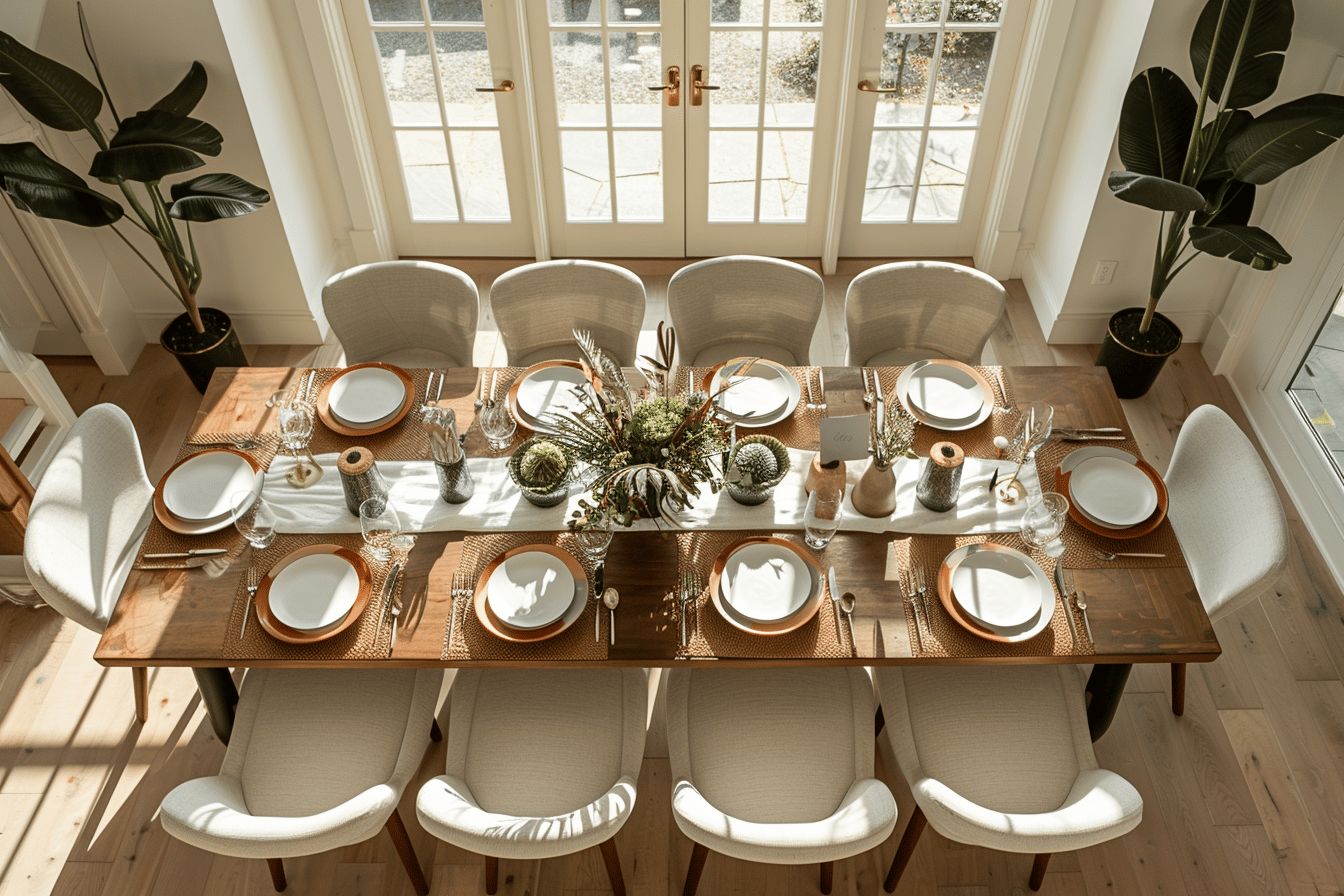
mix styles and dishes!
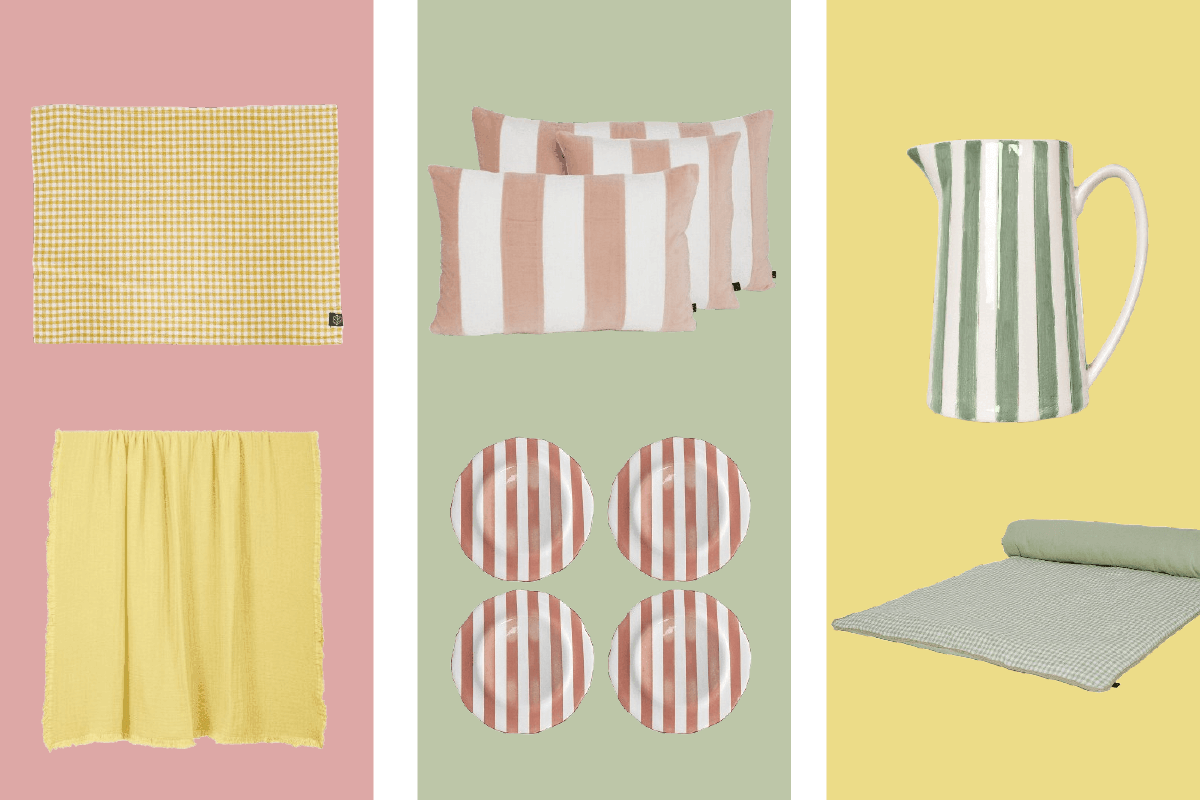
Transform your interiors with elegant pastel colors

Give a unique Boncoeurs gift
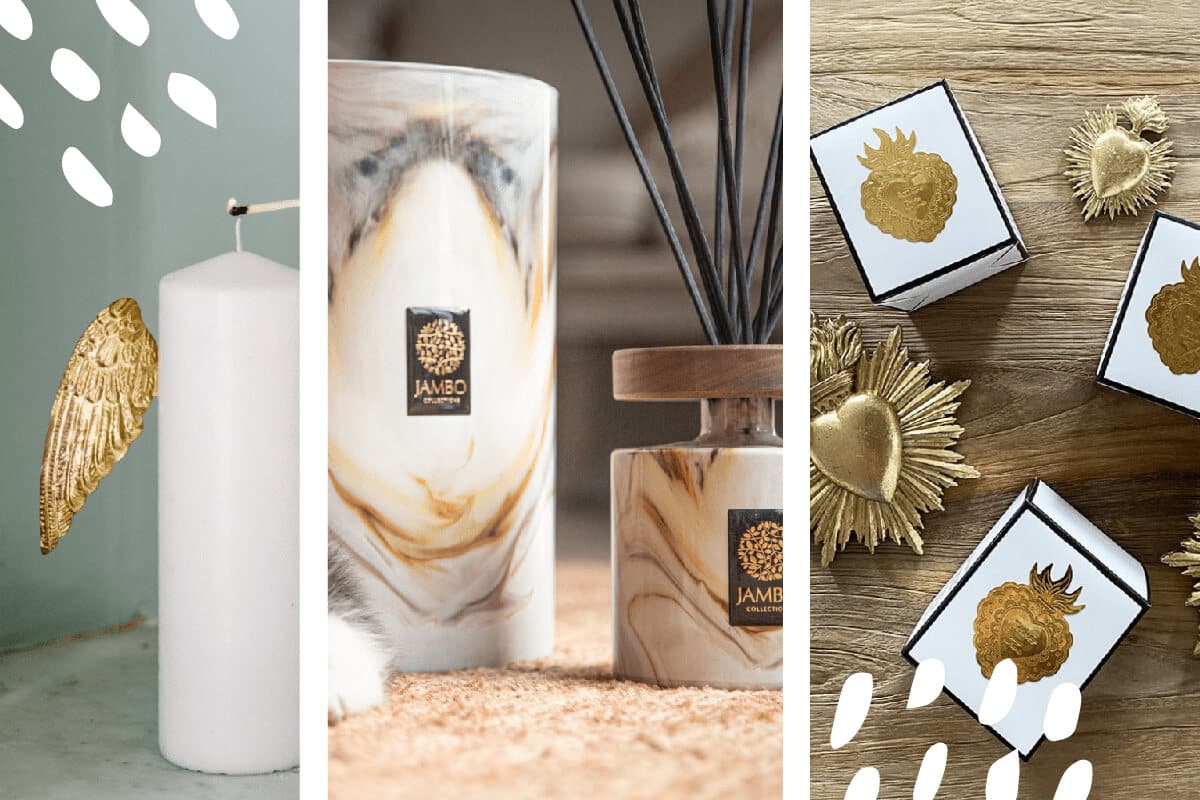
Olfactory elegance: reinvent your interiors
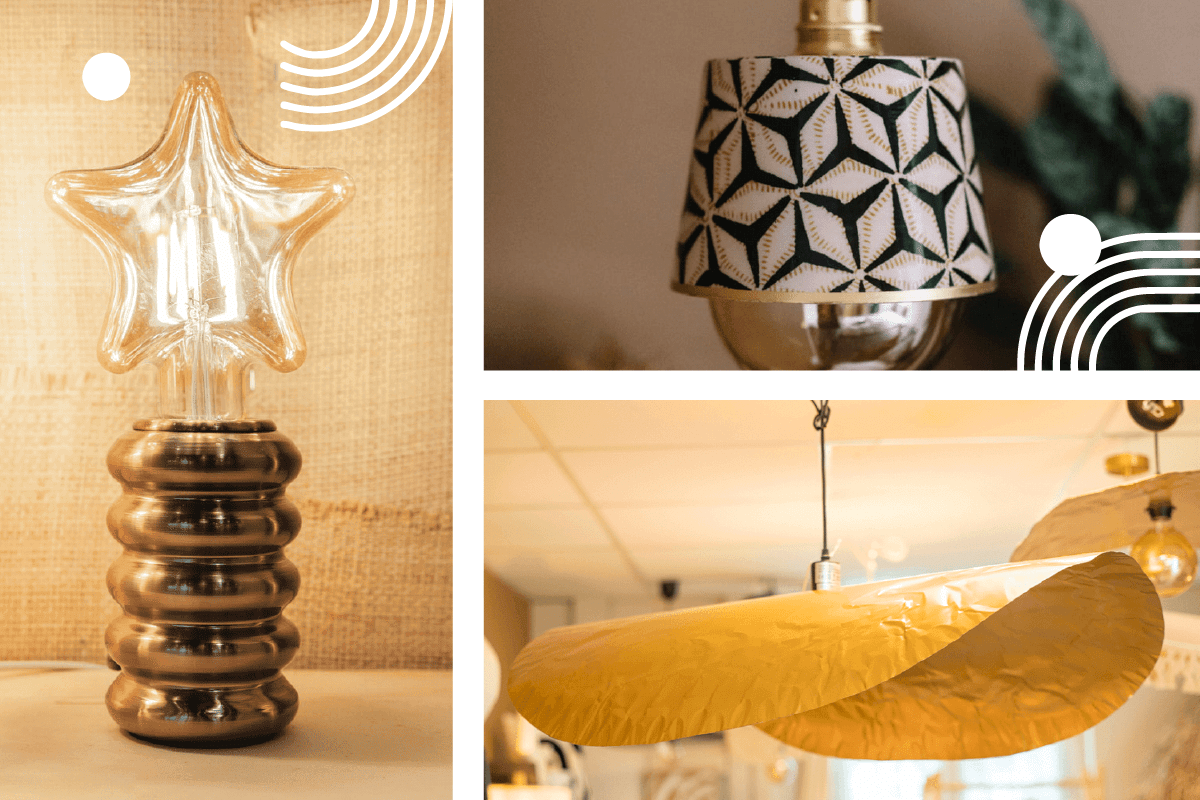
Brighten up your windowless space: effective tips