
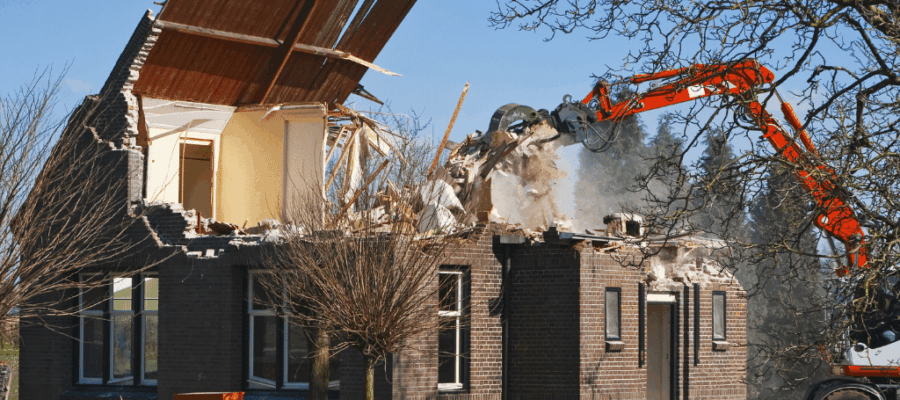
Buildable land is rare, especially in metropolitan areas. However, sometimes there is the possibility of purchasing a property with an existing property. You can renovate the old building, provided it meets your needs, or demolish it and build a new home on the property. Read below what you should pay attention to:
A LOOK AT THE Land Registry
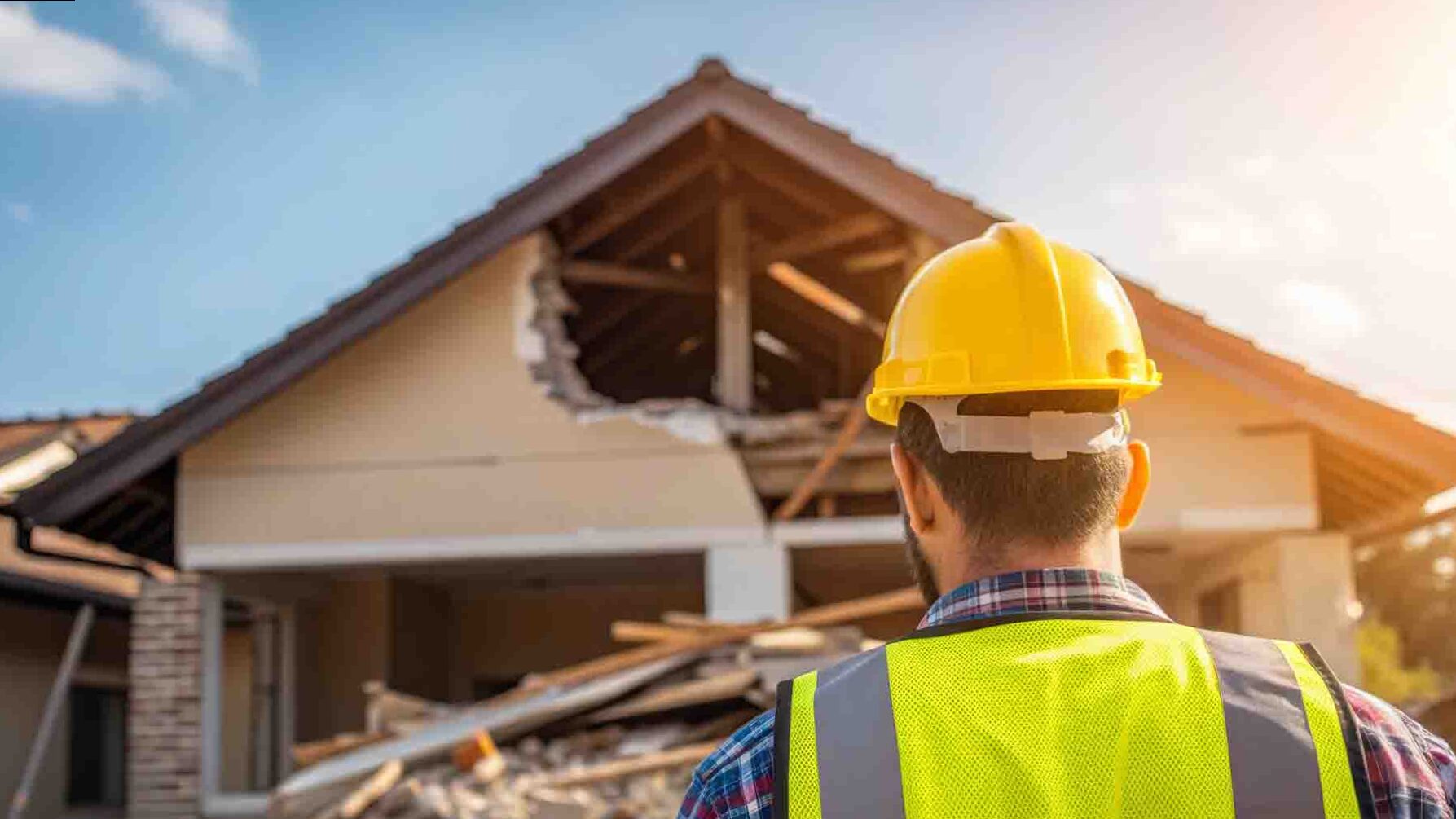
Regardless of whether it is a matter of conserving and renovating the existing building or demolishing and rebuilding the house: before purchasing a property with old buildings it is important to check what is written in the individual sections of the land registry. For example, there may be liens that limit the structural use of the property and destroy the original plans.
You should also check the property for possible contaminated sites. Depending on the previous use of the building, soil contamination may occur in particular. Potential buyers should be careful, especially if there are commercial buildings on the property. In this case, before purchasing, it is advisable to have the property and existing properties examined by an expert to identify existing contaminated sites.
IS RENOVATION WORTH IT?
Let’s not kid ourselves. The costs for renovating an old house can be almost as high as those for a new construction. If the building structure is damaged or the home needs to be extensively redesigned to suit your wants and needs, there isn’t much to be said for renovating the existing property. However, if the basic structure of the house comes close to your idea of a dream home and the effort required for energy modernization of the building envelope and building services remains manageable thanks to good building materials, renovation makes sense.
The rule of thumb for deciding whether the house should be renovated or rebuilt is: if the costs of new construction do not exceed the renovation costs by more than a third, it is worth demolishing the house for financial reasons. Especially because the infrastructure already exists on the old property and there are no development costs as in the case of new building land.
IS IT POSSIBLE TO DEMOLISH THE OLD CERAMIC?
In most cases it is not a problem to demolish an old building and then build a new one. However, if the old building is listed or otherwise protected, a demolition permit from the building authority is required, which is not easily granted. It is possible to take legal action against a demolition permit that is not granted, but it is time-consuming and expensive. In these cases it is better to negotiate with the building authority a (partial) transformation of the existing building rather than insisting on demolition.
Otherwise it depends on the respective state building regulations and local requirements whether and when a demolition permit is formally required. In any case, the planning authority must be informed of the intended project before demolition takes place. A call to the relevant building authority provides clarity on the legal situation.
However, sometimes additional permits may be required before the house can be demolished and rebuilt. If, for example, trees on the property need to be felled for demolition or groundwater is touched during construction work, prior official approval is required. If the existing building has been empty for a long time, before purchasing the property with old buildings it is necessary to check whether protected animals such as bats or swifts have nested there. In these cases, you should contact the nature conservation authority before demolition.
WHAT CAN BE BUILT NEW?
Even if the old building can be demolished, this does not mean that it can be built again in the same way. The development plan establishes which areas of the property can actually be built on and which requirements must be respected in terms of building height, number of floors or shape and slope of the roof. And if the urban plan of the property was drawn up only after the construction of the existing property, different rules apply today than then. Therefore, before purchasing a property, always look at the development plan made available by the municipality and do not rely only on existing buildings.
If there is no development plan, Article 34 of the Building Regulations must be respected for properties with old buildings in adjacent built-up areas. This means that the new designed building must fit into the character of the surrounding area. This impacts both the development itself and the use of the building. No residential building may be constructed in a commercial area.
Things become difficult when it comes to so-called building outside, i.e. outside of local development (Article 35 of the Building Code). Even if the abandoned farm on the edge of the woods seems like a supposed bargain. The external area is not intended for living and fragmented settlements are to be avoided. If in doubt, the construction of a new construction on such external property is prohibited and the only option left is to renovate the existing house.
Your nearest construction partner will be happy to advise you on what new construction is possible on your property with existing buildings.
CONCERNS ABOUT DEMOLITION COSTS
If there are no legal obstacles to demolition and you are allowed to build your dream home on the land, it is still important to remember that demolition itself also costs money and is subject to uncertainty.
The exact demolition costs do not only depend on the size and construction of the old building. Poor accessibility to the property and any necessary security and barrier measures also incur costs. The disposal of the resulting hazardous waste becomes truly complex if the old building was built with substances harmful to the environment and health, such as asbestos. As far as costs are concerned, in these cases it is better to find out in advance from a specialized company. But even without hazardous waste, you now have to expect to pay at least 20,000 euros to demolish the house and dispose of normal construction rubble.
Electricity, gas and water must be turned off before demolition. Clearing the property ensures that there are no more items in the house. Additionally, windows and doors are usually removed before the actual demolition to minimize the risk of flying glass shards.
The promoter of the demolition project is also responsible for damage to other buildings. Therefore, make sure that the specialized company in charge of the demolition has adequate insurance coverage. So you are prepared for all eventualities and can expect vacant land to build your dream house in the best location.
latest posts published
Elegance and versatility for your table

Plant shelf: transform your interior!

creative tips for your stay

Comfort and style at home
mix styles and dishes!

Transform your interiors with elegant pastel colors

Give a unique Boncoeurs gift

Olfactory elegance: reinvent your interiors

Brighten up your windowless space: effective tips