

In the land of extremes, the Inuit have lived for hundreds of years mixing ancestral traditions with a touch of modern technology.
Here are some peculiarities that make this land unique and fascinating.
Did you know that: Greenland is the largest island in the world. It has an area of 2166086 km². The next largest (New Guinea) is more than 2.5 times smaller. The world’s second largest ice sheet (after Antarctica) is also located here, covering 79% of the island’s surface.
Did you know that:
The ice-covered surface, equal to 2.85 million m³, represents approximately 7% of the fresh water existing on the globe; if this ice sheet were to melt, the water level in the world’s oceans would rise by 7.2 m.
Did you know that: the entire population of Greenland has only 57,799 inhabitants, about the same as our average. Of these, 89.5% are Greenlanders (descendants of the Inuit) and only 8.6% are Europeans. About a quarter of the population lives in the capital Nuuk. The evangelical Lutheran religion is practiced on the island along with Inuit traditions.
Greenland also holds the record for the states with the lowest density: only 0.2 inhabitants/km².
Did you know that:
most likely the Inuit from Alaka were the first to land on the island, their migration lasted until the 13th century. The name of the island comes from them: Kalaallit Nunaat
The first European colonizers of the land of ice were the Vikings, Erik the Red in 985 AD Danish colonization began in the 18th century, so much so that in 1953 Greenland became an integral part of Denmark, after 20 years both entered the EU from where the island withdrew in 1985, 6 years after obtaining autonomy from the Danish kingdom. Since June 2009, Greenland has greater autonomy, while Denmark maintains control in areas such as: foreign, financial and security policy.

Did you know that
in addition to the ice cap, which in some places reaches up to 3.3 km thick, Greenland also has small sections covered in stone. In those areas (Iskusia) the oldest rocks in the world are found: greenlandite, formed 3.8 billion years ago and nuumite. This metamorphic rock, remember that marble and slate belong to the same class, in its original structure is found only in Greenland. Southern Greenland contains much pegmatite, a rock structurally similar to granite. Here too you will find sodalite, a semi-precious stone said to help you live without fear. Syenite is also a rock similar to granite, but with less quartz. And nepheline has a granite-like structure. In these areas there are significant iron deposits. Basalt and gabbro also come from the range of volcanic rocks. On the territory of the island you can find all categories of rocks: metamorphic, volcanic and sedimentary, but also diamonds, rubies, sapphires, iron, lead, gold, uranium, oil and natural gas. basalt it comes from continuous eruptions through long fissures (alluvial basalt), certifying the tumultuous history of the island. Furthermore, here, under the ice, the Hiawatha crater was also discovered, whose age was recently calculated at 58 million years. It should also be noted that basalt hosts heavy iron minerals.
Did you know that
Kalaallit Nunaat is a unique ecosystem, representing the northernmost land area on Earth. With a dark climate for 4 months of the year, with temperatures in summer not exceeding 5ºC, this area is intended exclusively for those who adapt to extreme conditions. The tundra here is home to the largest National Park in the world, extending over 1 million km². Only 9 species of mammals live in this tundra: musk ox, arctic wolf, polar bear, arctic fox (white and blue), arctic hare, ermine, reindeer, collared lemming and wolverine. Among marine mammals we find the Atlantic walrus and 4 species of seals. Different plant varieties, including the swamp willow and the northern orchid, but also several bird species find their home here. 40% of the musk ox population lives in the Greenland tundra, the last representatives of the ice age and the only ones who do not seek refuge in the event of a blizzard. They do not run away from the Arctic wolf, but form a circle to protect the cubs. The king of the tundra here is the polar bear, up to 3 m long and weighing 800 kg, it is the largest terrestrial carnivore.
Did you know that: Is Greenland in danger? Climate change threatens to melt the ice cap and the effects are estimated to be catastrophic. Cities such as Amsterdam, Venice, New Orleans and New York City, Bangkok (Thailand), Ho Si Min (Vietnam), Basra (Iraq), Georgetown (Guyana), Osaka, but also Oltenita, Eforie and Sulina could be submerged by water. Millions of km of territory and entire ecosystems will be lost forever. The Arctic areas are already threatened by global warming and without a drastic reduction of its causes the planet itself will also be in danger.
latest posts published
Elegance and versatility for your table
Plant shelf: transform your interior!
creative tips for your stay

Comfort and style at home
mix styles and dishes!
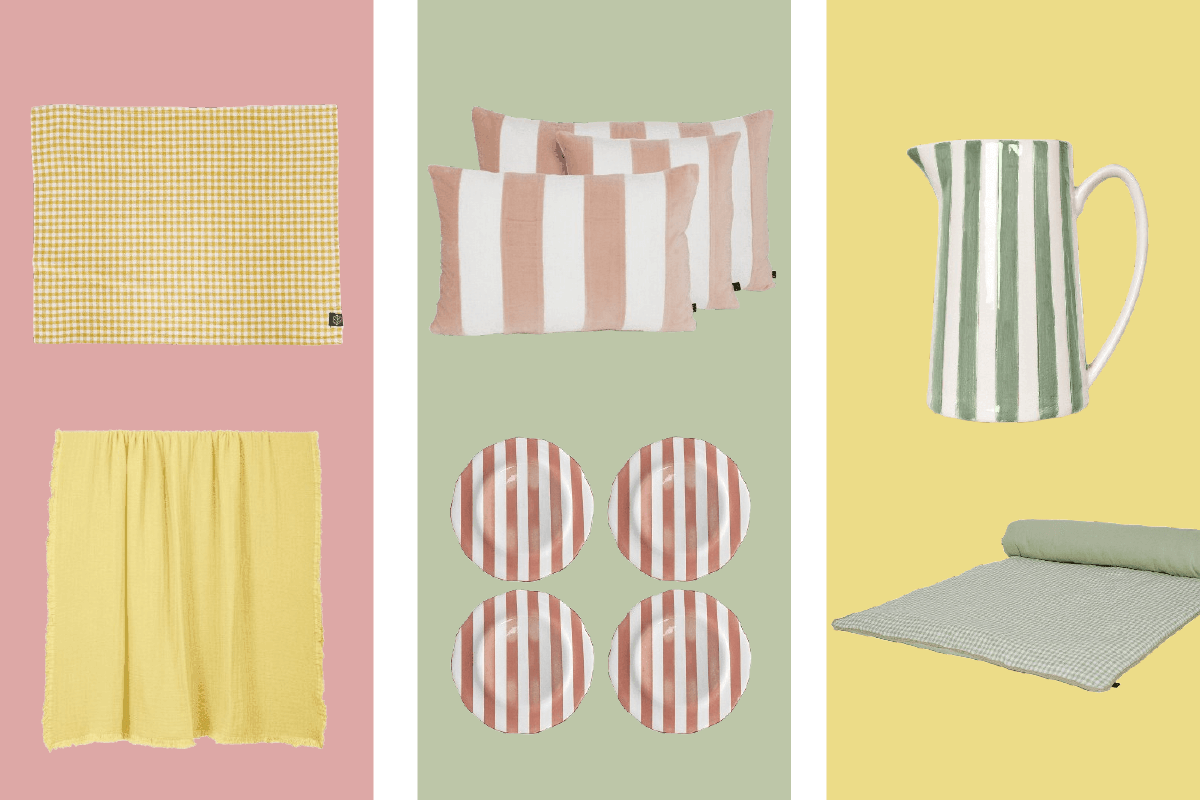
Transform your interiors with elegant pastel colors

Give a unique Boncoeurs gift

Olfactory elegance: reinvent your interiors

Brighten up your windowless space: effective tips