
ENERGY SAVING STARTS WITH PLANNING
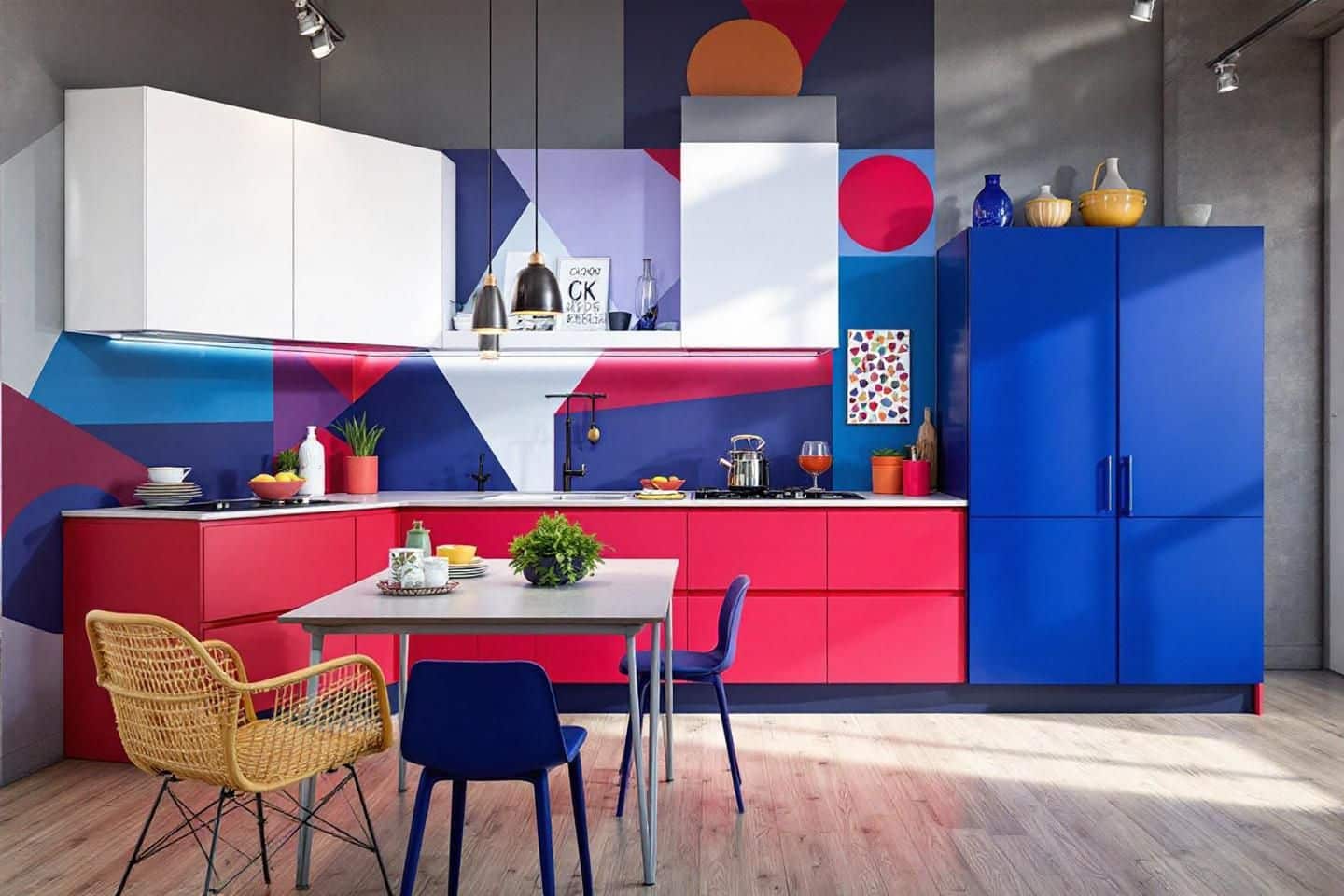
To combat the energy crisis, future builders should also exploit the energy saving potential that arises when designing their home. Every square meter of living space you give up saves energy. Through intelligent design, for example, circulation areas, i.e. corridors, stairways and passageways, can be kept as small as possible. The combination of living and dining area with an open, integrated kitchen is not only modern, but also saves on energy costs thanks to the small space.
The more compact the design, the better the energy requirement. Bay windows and extensions not only cost more to build, but also mean additional space on external walls and corners where internal heat can be lost.

The orientation of the building and roof surfaces should be based on the best possible use of solar energy. Avoid shading roof areas from nearby buildings and tall trees.
THE ISOLATION OF THE BUILDING ENVELOPE
The better the thermal insulation of the external building envelope, the less energy will be required for heating. Adequate insulation of the roof, walls and attic ensures that as little heat as possible is lost through the building envelope. Furthermore, the thermal insulation of windows and external doors plays an important role in the insulation of buildings.
Construction methods with solid ceilings and walls save additional energy and provide greater comfort because their heat storage capacity prevents them from cooling rapidly in winter and prevents them from heating rapidly in summer.
However, the insulation of the building envelope is not proportional to its thickness. With other weeks, doubling the thickness of the insulation does not mean saving double the energy. For every house there is an optimal insulation thickness, beyond which the additional effort for additional insulation no longer justifies the resulting minimal energy savings.
The passive house, which in principle does not require traditional heating, comes very close to the ideal. In the cold season, thanks to a combination of good insulation, ventilation and heating technologies, it is kept warm only by using existing passive heat sources, i.e. the body heat of the inhabitants, waste heat from household appliances and sunlight through the windows.
Thermal bridges at component transition points, i.e. thermal weak points in the building envelope through which energy escapes and cold can penetrate from the outside in winter, should be avoided through careful detailed planning and appropriate construction. With the so-called «blower door test», included in the flat rate price, the building’s airtightness is checked before the move and any leaks to be eliminated are identified.
THE INTERACTION OF TECHNOLOGY
The right heating technology is also very important to minimize energy costs. For a highly thermally insulated new house, the first choice is a heat pump in combination with underfloor heating. As standard in , this is an air/water heat pump that extracts heat from the ambient air and releases this heat into the water of the heating system using a refrigerant that evaporates in an electrically powered compressor. The connection to underfloor heating ensures that the heating system does not require a high flow temperature. This means that the heat pump has to heat less heat extracted from the air and can work more efficiently, i.e. with less electricity needed for the compressor. The efficiency of a heat pump is measured using the annual performance factor (JAZ). This number indicates the ratio between the electrical energy used and the thermal energy generated. A very good value, for example, is if a heat pump produces 6,750 kWh of thermal energy in a year using 1,500 kWh of electricity and therefore has a JAZ of 4.5.
If a photovoltaic system is installed in addition to the heat pump on the roof, the building owner can produce a large part of the electricity needed for the heat pump and the home himself and further reduce energy costs. What matters is to coordinate, through intelligent regulation, the operation of the household appliances and the heat pump with the production of electricity in such a way as to achieve the best possible degree of self-sufficiency, i.e. minimal consumption of electricity from the public grid.
It is ideal for integrating the system with battery storage. It compensates for fluctuations in electricity production and ensures a permanent supply of your own electricity. Excess electricity can be used to charge an electric car or to heat a storage tank that releases heat to the heating system when needed.
Do you want to know more? The construction partner closest to you will be happy to advise you on how to best deal with the energy crisis in the design and construction of your dream home.
latest posts published

Elegance and versatility for your table

Plant shelf: transform your interior!

creative tips for your stay
Comfort and style at home
mix styles and dishes!

Transform your interiors with elegant pastel colors

Give a unique Boncoeurs gift

Olfactory elegance: reinvent your interiors

Brighten up your windowless space: effective tips