

Winter is upon us and with it increases the risk of colds and flu. But before you resort to prescription drugs, consider nature’s powerful medicinal herbs. There are many wild herbs and medicinal plants that can now be used in winter. In this article we will show you which herbs can be used and for which diseases to survive the winter healthily.
Echinacea: The Immuno-Boosterin
Echinaceaalso known as echinacea, is a medicinal plant known for its ability to strengthen the immune system. However, echinacea should not be used long-term, but it can help reduce the duration and severity of a cold in the event of an acute infection. It is best to take echinacea as a tincture or make a tea from the fresh parts of the plant. Since there are no fresh parts of Echinacea plants to harvest in the winter, it is advisable to choose the tincture. The reason for this is that Echinacea is difficult to dry. So, if you dried echinacea in the summer or purchased dried parts of the plant, it usually contains only a few active ingredients. Unlike most other medicinal plants, Echiancea loses many active ingredients once dried. In naturopathy Echinacea is mainly used against colds and to support the immune system, but also for Sore throat or toothache, the plant can be used because it can not only strengthen the immune system, but is also valued for its antiviral properties.
Ginger: the anti-inflammatory
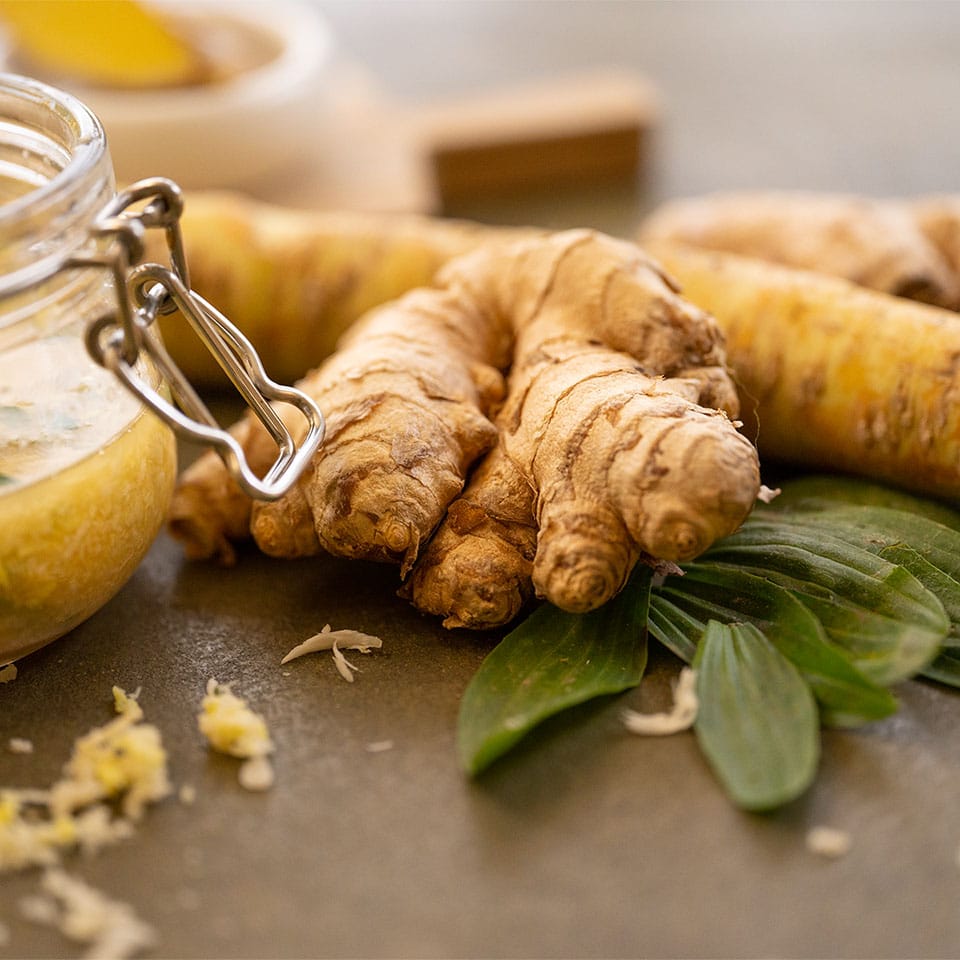
Ginger It is a versatile medicinal herb with anti-inflammatory properties. It warms the body from the inside and supports the fight against pathogens. It is especially easy to make fresh ginger tea. Ginger is available in every supermarket. But it is better to buy organic ginger. Some organic shops now also sell ginger grown in Germany, for example on the island of Reichenau on Lake Constance. Regular consumption of ginger can help strengthen the immune system and prevent colds. Ginger also has anti-inflammatory properties that can help with sore throat and cold symptoms.
Elderberry: the cold saver
elderly it is one of the most precious medicinal plants against colds. Elderberries are rich in antioxidants and can relieve cold and flu symptoms. Since it is not possible to consume them raw, juice (preferably mother juice) or elderberry extract is recommended. Elderflowers are known for their antipyretic properties. They have a wonderfully aromatic flavor and are very easy to prepare as tea, provided you have picked and dried them in the summer, but unfortunately you can’t find them in the winter. That’s why it’s so important to prepare for winter all year round and stock up on supplies. You can find inspiration on how to properly preserve wild herbs so that they can also be used in other seasons in our new book”Preserving wild herbs“(available here). There you will find a lot of important basic knowledge on how to best preserve the active ingredients, but also many excellent recipes and home remedies.
Thymus: the respiratory helper
Timiano It is a powerful herbal remedy for respiratory diseases. Thyme tea or an inhalant can be used for coughs and sore throats. Thyme contains essential oils that have expectorant and anti-inflammatory properties. Thyme is a hardy culinary herb that can be harvested outdoors in small quantities even in winter if you have thyme in the garden. Some supermarkets also stock thyme in winter. This is also an option if you don’t have thymus. Alternatively you can also use dried herbs. To make an inhalation with thyme, boil water in a kettle or pot and then pour it into a large bowl. It is best to let the water cool for a few minutes so that it no longer boils but is still very hot.
Now add a handful of fresh thyme sprigs or a few tablespoons of dried thyme leaves to the hot water. Alternatively you can also use a few drops of thyme oil. The amount depends on the strength of vapor you want. Now lean over the bowl so that your face is about 20-30cm above the water. It is best to close your eyes to avoid irritation. Then place a towel over your head to ensure the rising steam is inhaled and inhale the soothing thyme steam for 10-15 minutes until relief occurs.
Maintain knowledge of medicinal plants and wild herbs
It is very important for us to preserve the knowledge of wild herbs and medicinal plants. That is why in recent months and years we have written about many interesting, educational and useful topics, plant portraits and recipes in our books and magazines. To get started, we recommend reading it together with the seasonal ones Wild herb magazines (available here), our book “With wild herbs and medicinal plants all year round“(available here). There we will introduce you to the most important local wild herbs and medicinal plants. Arranged by season, each plant portrait includes large images, important identifying features for identification, and tips for use in the medicine cabinet and kitchen. As a supplement, our “Seasonal calendar of wild herbs“(available here) Thought. Month after month you can see at a glance the most important plants ready for harvest. This means you’ll never miss harvest time again. We designed the calendar so that you can reuse it every year. You can purchase the book and calendar in our shop www.die-moderne-Kräuterhexe.de
Garlic: the natural defense
Garlic it is a precious remedy. Contains allicin, which acts as a natural antibiotic and strengthens the body’s defenses. Eating raw garlic can help relieve cold symptoms and strengthen your immune system. You can peel a clove of garlic, chop it finely and mix it with a spoonful of honey to soften its flavor. Naturally, a garlic flavor is then created. But if you have a stuffy nose, at least you won’t smell it yourself and the other members of the house can also better take a little garlic so that they no longer smell it so strongly.
latest posts published
Elegance and versatility for your table

Plant shelf: transform your interior!

creative tips for your stay

Comfort and style at home

mix styles and dishes!

Transform your interiors with elegant pastel colors

Give a unique Boncoeurs gift

Olfactory elegance: reinvent your interiors

Brighten up your windowless space: effective tips