
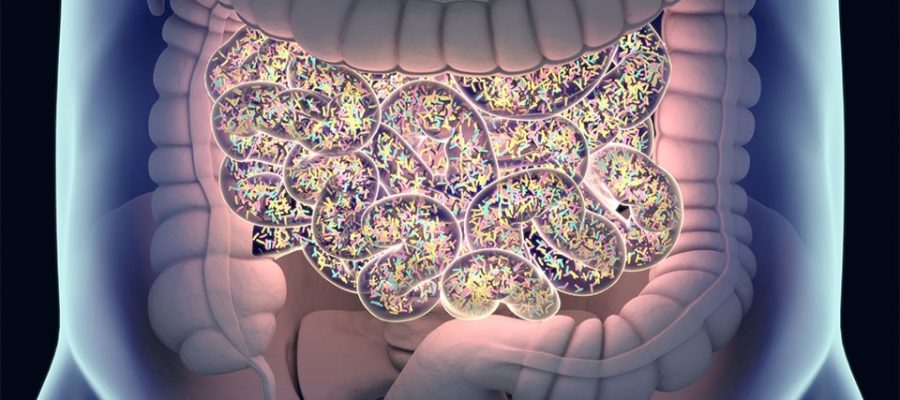
Many of us suffer from intestinal problems such as bloating, diarrhea or constipation. These disorders are obviously immediately associated with the intestine. But other diseases of civilization, such as neurodermatitis, psoriasis, rheumatism, fungal diseases, immune deficiency or allergies are also linked to the health of the intestinal flora.
Why does the gut have such a big impact on our health?
In essence it can be said that the intestine is the center of our health. Much of our immune system is also located in the gut. About 70% of our immune cells are found in the gut. Optimal balance is one of the biggest questions when it comes to preventing civilization’s major diseases. If your gut is healthy, you will be healthy too. So it is better if the intestine does not cause any problems.
Hippocrates already hypothesized that all diseases originate in the intestine (460-370 BC). If you take a closer look at the digestive tract, this is also understandable. Everything we consume through food (both positive and negative) must pass through the intestine. Here the intestinal flora protects us. Millions of small microorganisms ensure that environmental toxins do not harm us. But if the intestinal flora is disturbed, which is called modified intestinal flora, this leads to a disturbance in the absorption of nutrients or in the defense against toxins. This is the cornerstone of disease development. No matter how many nutrients we consume through food, they do not reach us. You can find out more about our healthy living in our books, which you can order here.
How can the intestinal flora be damaged?
First of all, antibiotics should be mentioned here. The name alone suggests that bacteria are destroyed. Not only are the problem-causing bacteria destroyed, but also the good intestinal bacteria. But drugs such as painkillers, steroids, birth control pills, sleeping pills or neuroleptics also have a negative effect on the intestinal flora. But external factors such as stress, psychological problems or environmental toxins can also damage the intestine.
Finally I would like to talk about nutrition. Poor nutrition causes long-term and ongoing damage to the intestinal flora. You don’t notice the damage as quickly as after taking antibiotics, where you may immediately be dealing with diarrhea, so it’s not as easy to link malnutrition to gut health. Too much sugar, gluten, lactose and low-fibre foods, especially from industrially produced foods, are not good for our intestines.

How are the diseases of civilization related to the gut?
Allergies
Allergies are becoming more and more common, but very few people know that these can be alleviated or even disappeared through healthy intestinal flora. Research gives hope here. When you have an allergy, your immune system fights against a substance, such as animal dander, pollen, etc., but if the right microorganisms are found in your gut, this can lead to the immune system suddenly having to deal with the old allergen. On the contrary, it is proven that a correct intestinal flora can prevent allergies (see Dr. rer. nat. Ohnmacht, C: Microbiome research: can the intestinal flora prevent allergies?, in: Dtsch Ärztebl 2016; 113(24): [29]; DOI: 10.3238/PersPneumo.2016.06.17.06, last access: 17 November 2020)
Skin diseases such as neurodermatitis
Even in the case of skin diseases such as acne, neurodermatitis or fungal diseases (including nail fungus), naturopathy is now certain that incorrect colonization of the intestine can favor or worsen these diseases. But some foods are also less tolerated, which further worsens the body’s immune response during an attack.
rheumatism
The triggers of rheumatoid arthritis (mostly called rheumatism) are not yet 100% studied. The researchers also found specific bacterial strains in rheumatoid arthritis patients that led to a microbial imbalance. The results of the research on mice give great hope. Correcting this incorrect colonization could reduce inflammatory processes and minimize the risk of developing rheumatism. (See last access: June 22, 2020)
Krebs
In their basic work “Human Nutrition” (6th edition, 2019), Prof. Elmadfa and Leitzmann impressively explain how important nutrition is for optimal nutrient intake and health. Gut health and the composition of microorganisms in the gut play an important role in several chapters. The gastrointestinal microflora plays an important role, especially in the development and prevention of some tumors (see page 110 ff.). In particular, a high intake of fat, which can lead to an increase in primary bile acids, which in turn can be metabolized into potential carcinogens (see ibid.) and can increase the risk of developing colon cancer (see ibid.). Excessive consumption of sugar, particularly glucose, is also considered problematic. According to the authors, however, a diet rich in fiber and vegetarian is beneficial (see page 111). It is therefore advisable to avoid refined sugars, empty carbohydrates such as white flour products and highly processed foods such as ready meals or sausages and rely on fresh and healthy foods. However, many other environmental factors also play an important role, although nutrition plays a key role in preventing chronic diseases.
How are the gut and the psyche connected?
British doctor Dr. Natasha Campbell-McBride has been studying the gut and the psyche for many years. According to their research, mental illnesses such as autism, ADHD or eating disorders are linked to improper colonization of the intestine. (see Campbell-McBride, N. GAPS Gut an Psychology Syndrome, Norfolk 2004). Your book was one of the key works that led me to healthy gut flora. I can highly recommend it to you. You can order it here.
Overall, it is clear that gut health and, more importantly, the right gut bacteria are important to our health. It is absolutely advisable to think about intestinal cleansing and strengthening the intestinal flora. You can find out more about intestinal cleansing in this article.
Natural nutrition
Natural foods, herbs and medicinal plants are directly linked to each other and form an important basis for intestinal health. You can find useful herbal literature in our Herbal Witches online store. There are many medicinal plants that are available to us for free and grow right on our doorstep. You just need to rediscover them and know how to use them. For this reason we have written a book that wants to encourage people to focus more on wild herbs and medicinal plants. It’s called
How to support gut health with wild herbs?
To support the microbiome, i.e. the community of microorganisms in the intestine, wild herbs with prebiotic properties, a high fiber content and secondary plant substances are particularly useful. These promote the growth of beneficial bacteria and can therefore contribute to intestinal health. Wild herbs that are often found indoors or can easily be grown in the garden include these:
Löwenzahn (Taraxacum officinale): Dandelion leaves are rich in inulin, a prebiotic fiber that promotes the growth of healthy gut bacteria.
Brennessel (Nettle dioica): Nettles are rich in nutrients and contain antioxidants that can strengthen the immune system. Their fiber supports healthy intestinal flora.
Greedweed (Aegopodium podagraria): Groundweed is not only a troublesome weed, but also a healthy wild grass rich in vitamins and minerals. It can support gut health through its fiber.
Vogelmiere (Stellaria media): Chickweed is a nutrient-rich wild herb that contains prebiotic fiber that may promote gut health.
Jerusalem artichoke (Helianthus tuberosus): Although technically a plant and not a “wild herb,” Jerusalem artichoke often grows in the wild and its tubers are rich in inulin, a prebiotic fiber that is particularly useful for the microbiome.
Plantain plantain (Plantago lanceolata): Plantain contains mucilage that may have a calming effect on the digestive tract, as well as fiber that supports gut health.
Wegwarte (Chicorium intybus): Chicory roots contain inulin, which acts as a prebiotic fiber and promotes the growth of healthy gut bacteria.
Never miss harvest time again
Wild herbs are a very important component if you want to eat healthy in the long term and also do something for your gut health. We have developed a seasonal wild herb calendar, in which the most important wild plants are listed month by month, so that you always know what there is to collect in nature. You can find it in our witch’s herbs online shop.
Check your gut health with microbiome analysis
-Advertisement- We have our microbiome analyzed regularly. This can be done very easily from home. We use mybiome microbiome analysis and are very impressed with how diverse the analysis and reporting of results are. You can read the entire article here (microbiome analysis by Mybioma). With the code “Herb cellar10«A 10% discount will be deducted from your order in your cart. Simply use it this linkto order the test kit from myBioma. This paragraph contains advertising for Biome Diagnostics
latest posts published
Elegance and versatility for your table

Plant shelf: transform your interior!

creative tips for your stay

Comfort and style at home

mix styles and dishes!

Transform your interiors with elegant pastel colors

Give a unique Boncoeurs gift

Olfactory elegance: reinvent your interiors

Brighten up your windowless space: effective tips