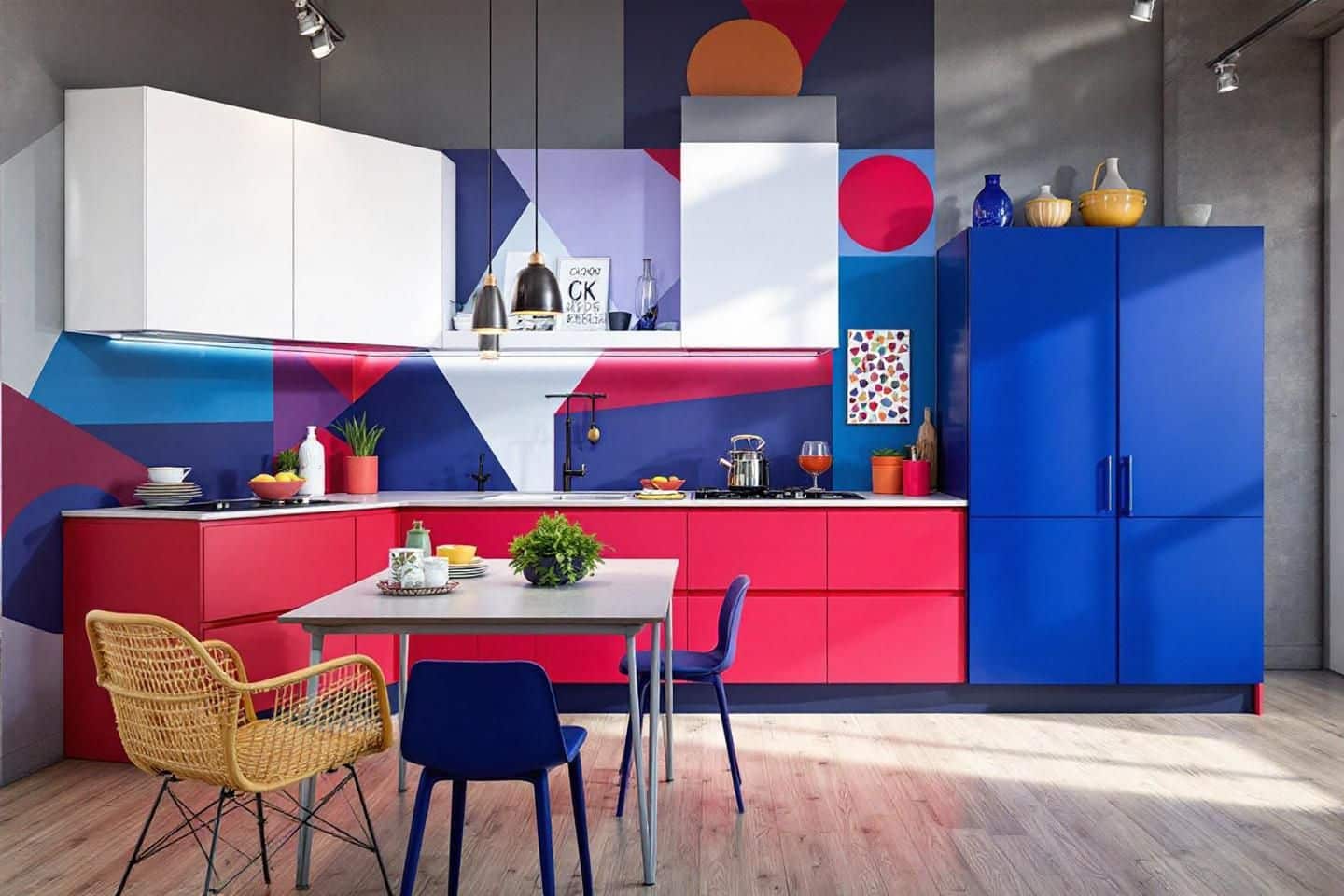
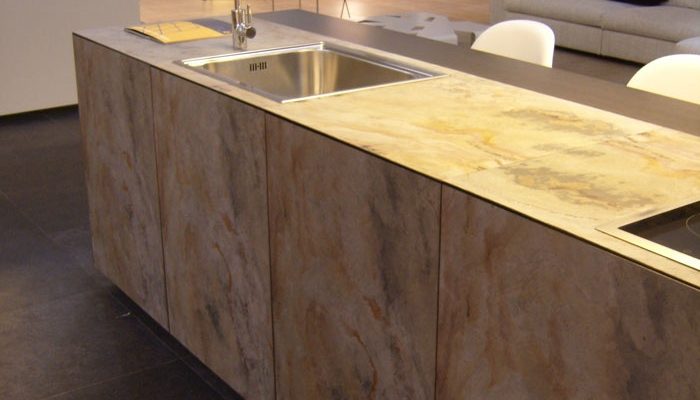
The kitchen island is often the focal point of the entire space: a place to prepare food, socialize, serve family. But many fall into the trap of a beautiful but impractical design, which results in islands that look good in photos but are frustrating to use. For 2025-2026, designers avoid these mistakes and use modern materials and solutions – slate SKIN curved, granite, ambient lighting – to create islands that are aesthetic and pleasant to use.
The 10 most common mistakes and what to do differently
1. Oversized islands

The designers choose proportional islands: narrower, with curved or cascading edges, dimensions adapted to the space so as not to hinder circulation. According to Livingetc, we often avoid the mistake of going to islands that are «too big». Living room etc.
2. Invisible hood or visible hoods that are too large
Instead of massive hanging hoods, invisible hoods or hobs with integrated ventilation are mounted in the worktop. Thus the island remains elegant, without elements that interrupt the visual line.
3. Super shiny finishes (high gloss) on large surfaces
Matt, lapped, leather effect or SKIN finishes with a natural texture are preferable: they reflect light less and are better suited to «comfortable» medium-minimalist kitchens. — used matt granite, curved SKIN slate.
4. Try to put everything on the island (sink, stove, service, dining area)
The designers define the role of the island: either preparation area or socialization/service area. Avoid combinations that compromise usable space and workflow.
5. Insufficient space around the island for movement
Standards recommend a minimum of approximately 1m (or more depending on space) between the island and the rest of the furniture to allow for smooth movement and opening of doors/cabinets.
6. Uncomfortable seats, inadequate height
Designers choose comfortable chairs, also opt for low seating areas, oilcloth mini-tables, integrated dining areas at island level – for socializing, not just for decoration.
7. Poor lighting or only one light source
Layered lighting is used: pendants above the island, under-counter or edge lighting, integrated LED strips, ambient lighting to emphasize the texture of the SKIN or the grain of the granite.
8. Delicate or difficult to maintain materials
Durable natural materials: matte granite, sintered stone, flexible SKIN slate — resistant to water, steam, scratches and finishes that visually minimize imperfections.
9. Rigid design, sharp corners, no curves
Modern designers use curvilinear SKIN for the fronts, rounded edges, waterfall edges, fluid lines that “tame” the rigidity of rigorous minimalism.
10. Obsolete visual trends without adaptation to space
Avoid Pinterest replication without checking your context: Designers make mockups, try SKIN samples, check natural light, texture, size, before deciding.
How modern solutions solve these errors
Flexible Slate SKIN
Adaptability: SKINthin and flexible, it allows application on curved fronts, rounded corners, cascading edges — reducing visual rigidity and maintaining the harmonious line of the island. (e.g. SKIN Flexible Slate Veneer can be applied to curved surfaces, furniture, facades, walls, including wet areas)
Natural consistency: The imperfections, grain and structure of slate SKIN It brings life and visual depth, hiding small scratches or imperfections better than high-gloss finishes.
Granite
Finish that reduces reflections: Granite with a matte finish or with diffused light diffusion is ideal when you have multiple light sources: natural + artificial lighting.
Durability: Granite is robust, resistant to heat and wear, especially in intensive cooking areas.
Ambient lighting and details
The use of LED strips under the islands, backlighting (if using translucent panels or translucent SKIN), decorative pendants that emphasize structure, not just function.
Use light to accentuate the grain or texture of the granite SKIN.
Studies and examples / what the market says
The article 10 Outdated Kitchen Island Trends to Avoid in 2025 Renovations (Livingetc) clearly mentions: monolithic islands, exposed hoods and oversized glossy finishes as dying trends, replaced by sculptural islands, fluid shapes and opaque or structured materials.
Presentation sites SKIN notes that SKIN Flexible Slate Veneer is waterproof, easy to handle and very suitable for cladding islands or furniture, including curved sections, thanks to its light weight and material flexibility.
Kitchen island design in 2025-2026 requires more than aesthetics: it requires balance, functionality and attention to detail. By avoiding the mistakes mentioned above and adopting solutions such as SKIN curved slate, matte granite and ambient lighting, it is possible to create an island that is not only visually striking, but also practical, comfortable and durable.
Write a few words, your advice is also useful to others. There are currently no comments or questions about the article.
latest posts published
Elegance and versatility for your table
Plant shelf: transform your interior!
creative tips for your stay
Comfort and style at home
mix styles and dishes!
Transform your interiors with elegant pastel colors
Give a unique Boncoeurs gift

Olfactory elegance: reinvent your interiors
Brighten up your windowless space: effective tips