Flexible slate has revolutionized the approach to interior design, offering a symbiosis between the authenticity of natural stone and the adaptability of modern materials. This innovation allows the integration of natural elements into contemporary projects, overcoming the traditional limitations of rigid materials. With a thickness of 1-2 mm and a light weight, flexible slate is applied to various surfaces, from walls and furniture to complex architectural elements. This article analyzes the essential benefits of this material, highlighting its transformative impact on interior spaces.
Adaptability and versatility in design
Flexibility is the hallmark of flexible natural slate, allowing application on curved or irregular surfaces. Unlike rigid sheets, this material can mold to columns, arches or spiral staircases, creating seamless visual continuity. Its production involves layering a thin stone coating on a fiberglass or resin support, which gives crack resistance. Designers exploit this property to integrate natural elements into spaces with organic geometries, from wavy walls to curved ceilings.
Multipurpose applications extend the use of flexible slate beyond wall cladding. Furniture, including cabinet fronts, countertops or doors, get an exclusive look by applying this material. In bathrooms it acts as a moisture-resistant backsplash, replacing traditional tiles, and in living rooms it turns fireplaces into a focal point. The ability to be glued to existing surfaces such as ceramic tiles reduces renovation costs and delivery times.
Natural aesthetics and customization
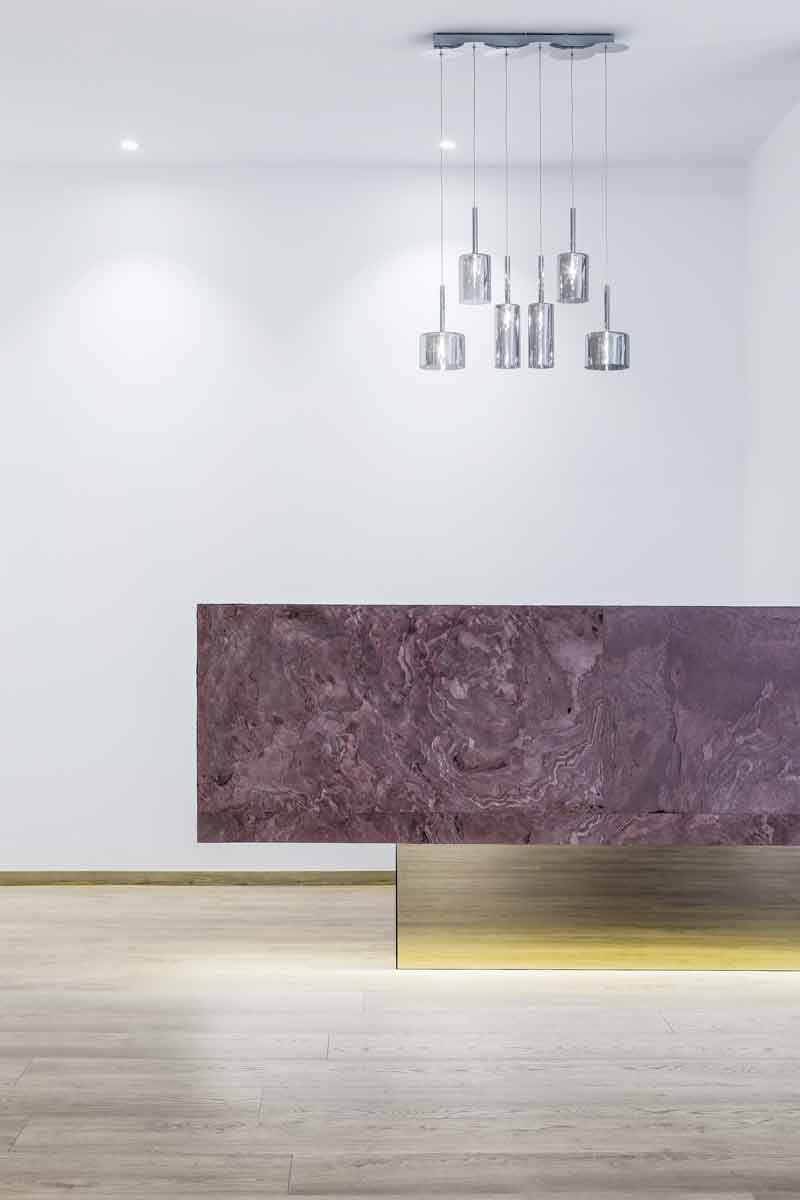
Visual authenticity is guaranteed by the thin layer of natural stone, which preserves the veins, texture and color variations of slate. Each slab is unique and gives spaces a distinct character, from shades of slate gray to olive green. This organic look goes well with both rustic and minimalist interiors, where it contrasts with shiny metal or glass surfaces.
Customization becomes accessible through advanced techniques such as laser engraving, which adds patterns or inscriptions to the stone layer. Designers can choose from smooth or textured finishes, translucent versions for indirect lighting, or combinations with other materials such as wood and concrete. For commercial projects, flexible slate allows for integrated branding, transforming walls into memorable visual aids.
Economic and ecological efficiency
The low transport and installation costs are facilitated by the ultra-light weight (80-90% lighter than traditional stone) and the possibility of cutting with a normal cutter. The lack of need for reinforced support structures reduces construction budgets, and do-it-yourself application (with professional guidance) reduces labor costs.
Sustainability is ensured by the production process which uses thin layers of stone, reducing waste to a minimum. Compared to massive slab mining, this method preserves natural resources. Furthermore, the absence of volatile organic compounds (VOCs) in the composition contributes to making indoor air healthier.
Durability and ease of maintenance
Exceptional durability characterizes flexible slatewhich resists scratches, humidity and temperature variations between -40°C and +80°C. Hydrophobic impregnating treatments increase stain resistance, making it ideal for bathrooms and kitchens. Unlike synthetic materials, it does not fade under UV exposure, keeping its appearance intact for years.
Simplified maintenance requires only the use of water and neutral detergent, without abrasive products. For heavily trafficked surfaces, the periodic application of a coat of sealant renews the protection without altering the natural texture.
Contemporary design trends
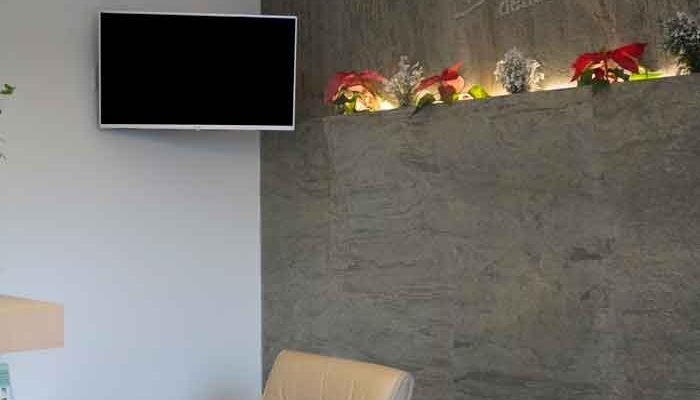
The flexible slate backlighting creates dramatic effects in commercial or residential spaces, transforming walls into sources of diffused light. This application is possible thanks to the reduced thickness of the material, which allows the LEDs to be mounted directly in the substrate.
Adaptation to smart technologies is explored by embedding touch sensors into the support layer, allowing lighting or thermostat control by touching the surface. These innovations maintain the natural look of stone while incorporating modern features.
In short, flexible slate redefines the concept of natural design through adaptability, durability and aesthetic expressiveness. It meets the demands of contemporary projects for easy-to-integrate, eco-friendly and high-visual materials, consolidating its position as the preferred solution in high-quality interior architecture.
The most popular colors and textures of flexible slate
Popular colors and textures of flexible slate – adaptability in design
Flexible slate stands out for its natural palette and variety of textures, offering versatile solutions for interior projects. The material retains the authenticity of natural stone, but benefits from technological processes that amplify its aesthetic characteristics. The most popular options reflect current design trends, combining tradition and innovation.
Dominant colors in the natural palette
1. Classic slate grey
• Anthracite and charcoal shades, with subtle metallic highlights, dominate the market due to their versatility. These neutral tones blend with any style, from industrial to minimalist, and are favored for accent walls or modern furniture.
2. Slate green
• Variants with green highlights (e.g. British green, olive green) are on the rise, due to biophilic tendencies. These shades create relaxing atmospheres in bathrooms and bedrooms, integrating with natural wood and decorative plants.
3. Natural multicolor
• The geological stratifications of the slate appear in the lead variants with oxide accents (red-rustic) or silver with bluish veins. These organic designs are ideal for rustic or Mediterranean-inspired spaces.
4. Deep treated black
• In luxury design, ultra-gloss or enamelled surfaces (lacquer effect) are preferred. The polishing technique amplifies the depth of the color, transforming furniture or walls into sculptural pieces.
Textures that define aesthetics
1. Split (sticky) texture:
• The irregular surface, with differences in level of 1-5 mm, reproduces the appearance of natural slate from manual extractions. Ideal for internal external walls or rustic-industrial furniture.
2. Refined
• Smooth finish with uniform texture, achieved by heavy sanding. Preferred for countertops, tables or tactile surfaces, it offers a refined sensory experience.
3. Brushed (peared):
• Thin parallel streaks, created by brushing with wire brushes. It visually directs space and minimizes fingerprints, making it ideal for doors and furniture fronts.
4. 3D survey:
• Engraved patterns up to 8mm deep, inspired by organic shapes (e.g. shells, wood grain). Used in artistic projects or high visual impact environments.
5. Hybrid weaving:
• Experimental combinations with fiberglass or metal inlays for a modern effect. Used in commercial spaces or kitchen hoods.
Factors influencing the choice
• Lighting: dark colors (anthracite) absorb light, visually reducing the size of spaces, while light shades (silver-grey) reflect natural light.
• Wear: Rough (torn) textures camouflage scratches, while shiny ones require more careful maintenance.
• Interior style:
• Scandinavian: light gray with a matte finish
Industrial: Brushed black with 3D relief
Bohemian: Multicolored with split weave
Interior design trends 2025
Magnetic effect: Flexible slate with metal particles to attach accessories without drilling
Translucent: semi-transparent variants (3-5 mm) for decorative backlighting
Sahara Palette: Shades of beige and ocher obtained through thermal treatments
By adapting colors and textures to the needs of the project, flexible slate becomes a key element in creating spaces with a distinct personality without compromising functionality.
Write a few words, your advice is also useful to others. There are currently no comments or questions about the article.
latest posts published
Elegance and versatility for your table
Plant shelf: transform your interior!
creative tips for your stay
Comfort and style at home
mix styles and dishes!
Transform your interiors with elegant pastel colors
Give a unique Boncoeurs gift
Olfactory elegance: reinvent your interiors
Brighten up your windowless space: effective tips