
As soon as temperatures rise in May, they suddenly appear: aphids! They sit on the delicate tips of shoots, under the leaves and multiply rapidly. But for many hobby gardeners, chemicals are out of the question – and that doesn’t have to be the case. This year many gardeners are reporting a particularly severe infestation, early in the season. It is no wonder that many people are now wondering: what really helps against aphids – without chemicals? In this article we will show you five proven home remedies with which you can get rid of pests naturally, gently and effectively – ideal for balconies, gardens and raised beds.
The natural enemies of the aphid
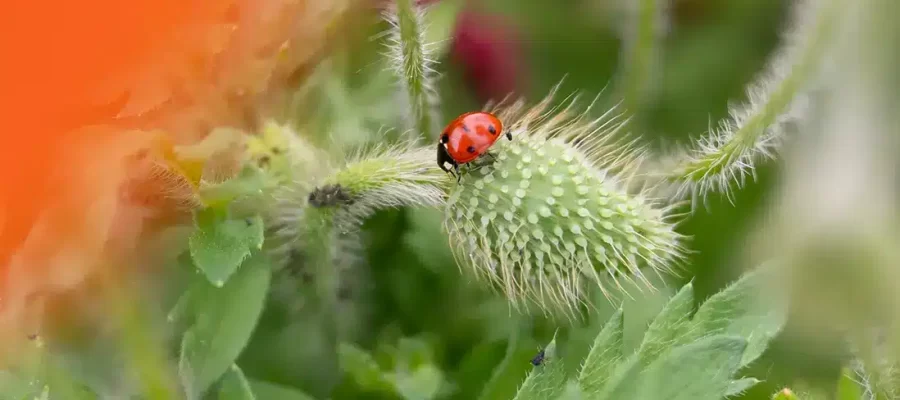
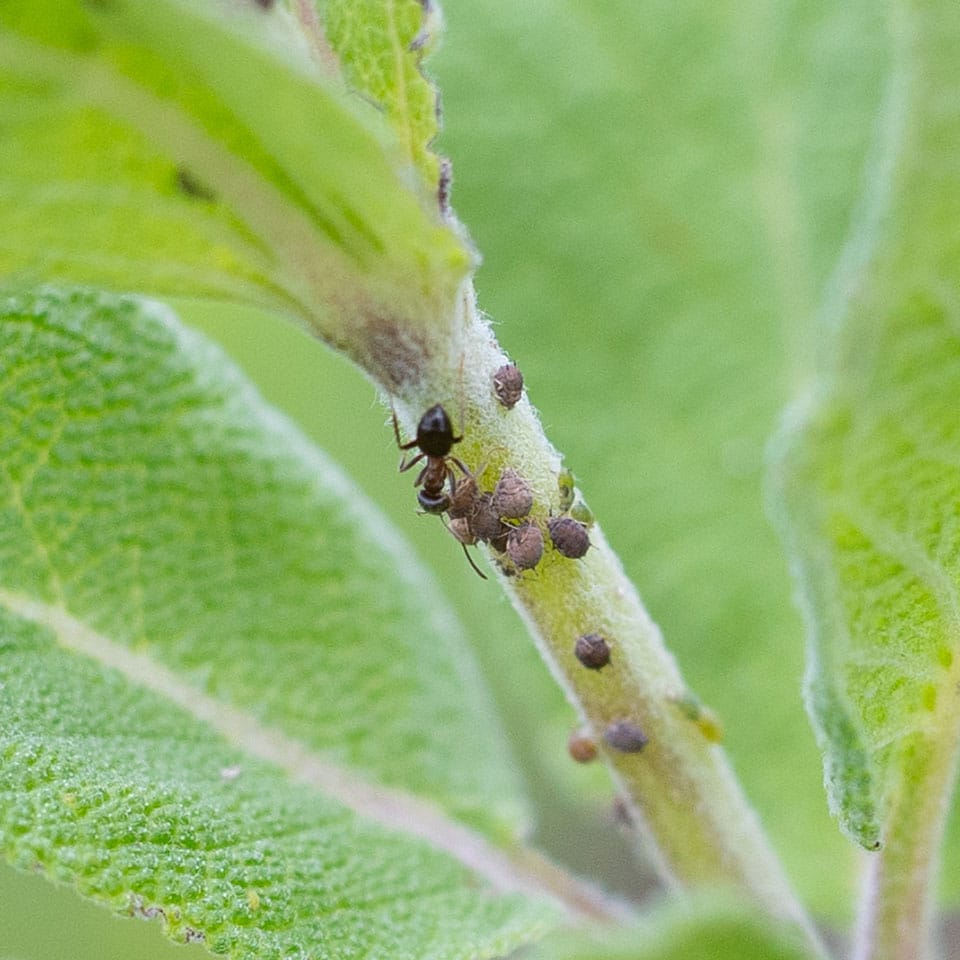
A relaxing way to get rid of aphids is to let nature take its course. Ladybugs are natural enemies of aphids and can eat several thousand of them in their lifetime. You can purchase ladybug larvae or set up an insect hotel in your garden to attract beneficial insects. Be careful: ants protect aphids to collect their sweet honeydew, so they do not help in control
Ladybugs: aphids as an important part of the ecosystem
Aphids are essential for the ladybug population. When there are many aphids, ladybugs also multiply a lot. These beneficial insects lay their eggs on aphid-infested plants to provide their offspring with sufficient food. Aphids are therefore important in nature and an intact ecosystem. However, they should be removed from the apartment since ladybugs are rarely found there
Edible wild herbs and other tips
Are you interested in edible wild herbs and medicinal plants or are you looking for more tips for a healthy diet? Visit our witch herb shop at www.die-moderne-Kräuterhexe.de There you will find our children’s discovery book, our annual seasonal wild herb calendar and many other products that will help you identify and use wild herbs correctly.
The right plant neighbor
Plants such as savory, oregano, thyme, lavender and rosemary keep aphids away. These strongly scented herbs can be placed strategically to protect other plants.
Collect aphids by hand
If there is an infestation, manually collecting lice is environmentally friendly but labor-intensive. You can use duct tape to loosen aphids from plants and dispose of them. A targeted jet of water can also provide first aid.
Tried and tested soapy water
Before resorting to chemicals, you can use soapy water. Dissolve 20-30 g of pure soft soap in a liter of water and spray several times on the affected plants. Dish detergents or scented soaps are less effective and environmentally friendly.
Coffee grounds, nettle broth and neem oil
After the coffee break, you can pour out the coffee grounds again and spray the plants with the cooled brew. Nettle broth is odorless and helps with light to moderate infestations. Neem oil interrupts the metabolism of aphids and prevents them from multiplying. A few milliliters per liter of water are sufficient, but the oil should not be used in strong sun or rain.
Nettle broth for the vegetable garden
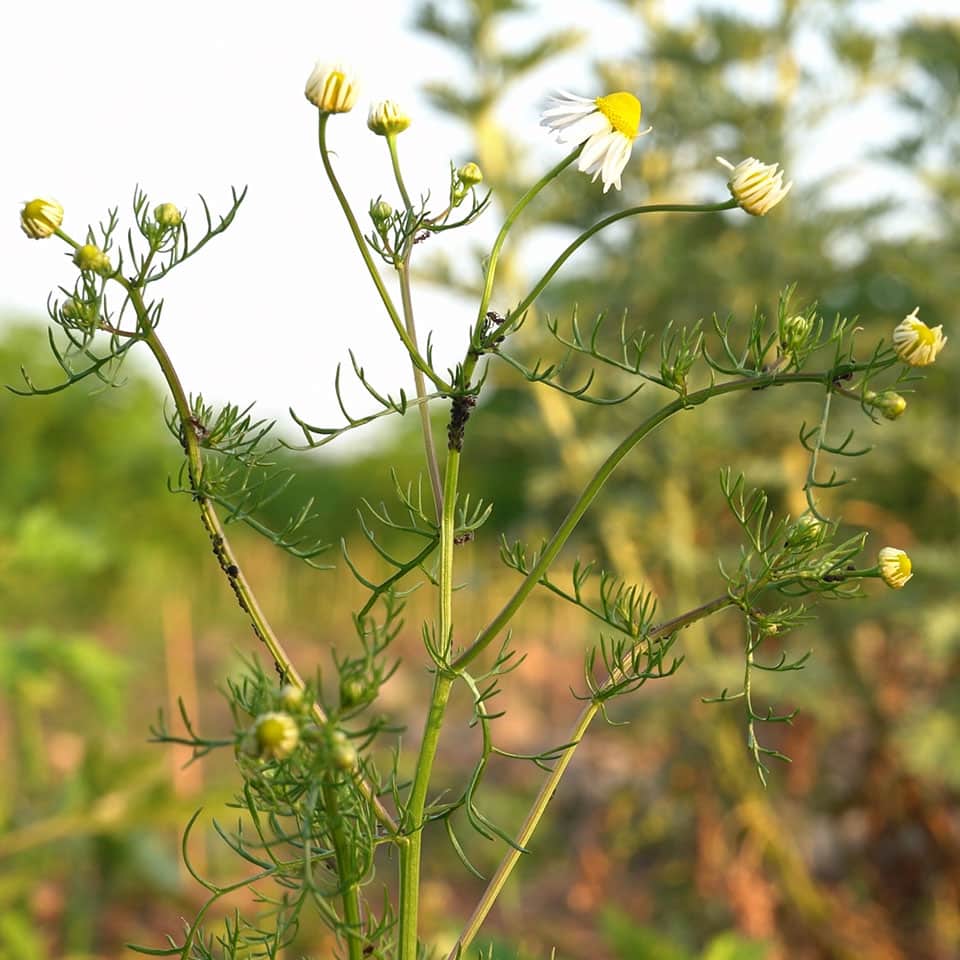
One kilogram Nettles Mix with ten liters of water and leave to macerate for a day. Then spray directly on the affected plants. You can find more tips and recipes in our book “Nettle – queen of wild herbs“(available here).
The garlic broth
Garlic effectively repels aphids. Crush 3-4 cloves of garlic, place them in a glass with 300-400 ml of water, pour hot water over them and let the broth cool. The next day the decoction can be applied to the plants with a sprayer.
Fight aphids without chemicals
With these natural home remedies you can effectively fight aphids and protect the environment at the same time. Did we forget a home remedy? Write it in the comments and we will try it and add it next time! Stay informed and support us by purchasing our products designed by us in the Kräuterhexenshop. Together let’s make the world a little greener and healthier!
Conclusion
Aphids may be small, but their impact on plants can quickly become noticeable, especially during the warm days of May when they begin to multiply rapidly. Their presence on tender shoots and beneath leaves can weaken plants and slow their growth if left untreated. However, for many gardeners who value natural and environmentally friendly gardening methods, chemical pesticides are not the preferred solution. Fortunately, controlling aphids does not require harsh treatments. With the right knowledge and a few simple home remedies, it is entirely possible to manage these pests effectively while keeping your garden healthy and balanced.
Natural solutions offer several advantages. They are gentle on plants, safe for beneficial insects, and easy to apply in home gardens, balconies, or raised beds. Simple remedies such as soap solutions, plant-based sprays, or rinsing plants with water can significantly reduce aphid populations when used consistently. These methods work by either removing the insects from the plant or making the environment less favorable for them. Because they rely on everyday ingredients and simple techniques, they are accessible to anyone who wants to garden sustainably.
Another important aspect of natural pest control is prevention. Healthy plants are generally more resistant to pests, which means that proper watering, good soil quality, and balanced plant care play a key role in keeping aphid infestations under control. Encouraging beneficial insects such as ladybugs, lacewings, and hoverflies can also make a big difference. These natural predators feed on aphids and help maintain a natural balance in the garden ecosystem.
Consistency is also essential when using home remedies. Aphids reproduce quickly, so treatments may need to be repeated several times to fully control the population. Regularly inspecting plants, especially the young shoots where aphids often gather, allows gardeners to act early before the infestation spreads. By combining observation, prevention, and natural treatments, gardeners can protect their plants without relying on chemical products.
In the end, dealing with aphids naturally is not only possible but also beneficial for the entire garden environment. Using gentle, proven home remedies allows plants to thrive while preserving the natural balance between pests and beneficial insects. With patience and the right approach, gardeners can keep aphids under control and enjoy healthy plants throughout the growing season, all while maintaining a sustainable and chemical-free garden.
latest posts published
Elegance and versatility for your table
Plant shelf: transform your interior!

creative tips for your stay

Comfort and style at home
mix styles and dishes!

Transform your interiors with elegant pastel colors

Give a unique Boncoeurs gift

Olfactory elegance: reinvent your interiors

Brighten up your windowless space: effective tips