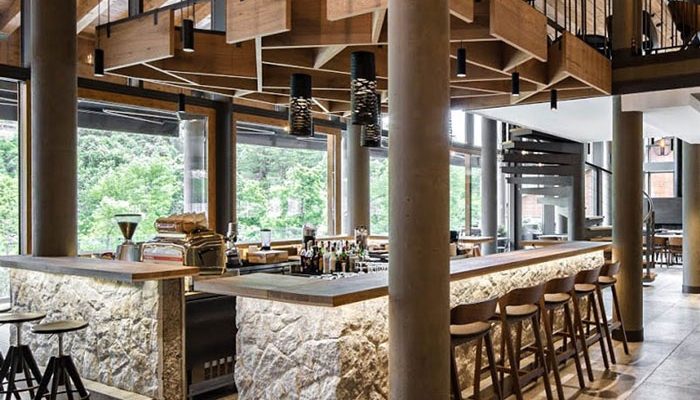
In the dynamic landscape of HoReCa design, trends are constantly evolving to meet increasingly sophisticated customer expectations. One of these emerging trends is the use of polygonal stone, also called flagstone or broken stone, in horizontal siding. This natural material gives spaces an authentic aesthetic and long-lasting durability, offering architects and designers the opportunity to create unique and functional environments.

Polygonal Stone: Characteristics and Advantages
Polygonal stone stands out for its irregular shapes and flat surfaces, making it ideal for horizontal cladding in various HoReCa spaces, such as restaurants, bars and hotels. Among the advantages of using this material are: Natural aesthetics and versatility: Every piece of polygonal stone it is unique, creating a natural mosaic that adds depth and character to the space. The availability in various colors and textures allows it to be integrated into multiple design concepts, from rustic to modern. Durability and resistance: Being a natural material, polygonal stone shows greater resistance to wear, weathering and temperature variations, ensuring the longevity of plated surfaces.
Easy maintenance: Surfaces plated with polygonal stone requires minimal maintenance, maintaining its aesthetic appearance in the long term.
Notable implementations in international and local projects
Globally, the integration of polygonal stone into the design of HoReCa spaces has been associated with the creation of authentic and welcoming atmospheres, for example, in urban garden design projects, polygonal slate has been used to create relaxation spaces with an irregular appearance and varied texture, each project being unique. In Romania the use of this material has seen a notable increase, appreciated for its ability to add aesthetic and functional value to projects. For example, in external layouts, polygonal stone it was used to pave the alleys and facades, giving a coherent and natural look to the exterior of the house.
Trends in HoReCa design
According to current trends, there is a clear orientation towards the use of natural and sustainable materials in the interior design of HoReCa spaces.
This approach not only improves customers’ viewing experience, but also helps create a healthier and greener environment.
Technical aspects and installation practices
To ensure the desired durability and aesthetics, it is essential that the installation of polygonal stone is done correctly. The main phases include preparing the surface, choosing the right adhesive, the actual installation, filling the joints with special fillers and applying a waterproofing treatment. It is also advisable, before installation, to protect the stone from rain or frost for at least 24 hours.
PIATRAONLINE: The Ideal Partner for Architects
For architecture and interior design professionals who want to integrate polygonal stone in its projects, PIATRAONLINE offers a wide range of products and services:
Product diversity: A wide selection of natural stones, including basalt, available in different finishes and shades, adaptable to any design concept.
Complete services: From specialist advice and free samples to bespoke finishes, professional installation teams and door-to-door transport anywhere in Europe.
Possibility to visit the showrooms PIATRAONLINE from Bucharest, Timișoara, Chisinau or Sofia to directly experience the quality and diversity of the materials offered. This type of decorative natural stone gives the space a contemporary design that emphasizes natural materials and high-quality finishes. Here are some notable aspects that can be found in the project from the attached images: Stone flooring – Central element of the project, the floor is made of a dark material, basalt, with contrasting light-coloured joints. This choice adds depth and an interesting visual effect, suitable for a space HoReCa Award.
Walls with dark finish – Most vertical surfaces are treated with matte textures and dark shades (black, anthracite, dark gray), creating an elegant and dramatic environment. Decorative and sculptural elements – Artistic pieces, such as a painting with circular brass metal elements and black and white ceramic vases displayed on pedestals with gold accents. These details add an artistic and sophisticated air to the space. Wine area – A wall of illuminated glass cases displaying bottles of wine indicates that this space is the picture of a high-end restaurant, wine bar or tasting area. Ambient and directional lighting – A mix of indirect lighting, spotlights and LED strips was used to highlight both the materials and the design elements. This technique helps to create an elegant and exclusive atmosphere of the place.
The integration of polygonal stone into the design of HoReCa spaces is a growing trend, offering both aesthetic and functional benefits.
For architects and designers, collaboration with specialized suppliers such as PIATRAONLINE guarantees access to quality materials and complete services, facilitating the creation of successful projects that combine tradition and innovation.
Write a few words, your advice is also useful to others. There are currently no comments or questions about the article.
latest posts published
Elegance and versatility for your table
Plant shelf: transform your interior!
creative tips for your stay
Comfort and style at home
mix styles and dishes!
Transform your interiors with elegant pastel colors
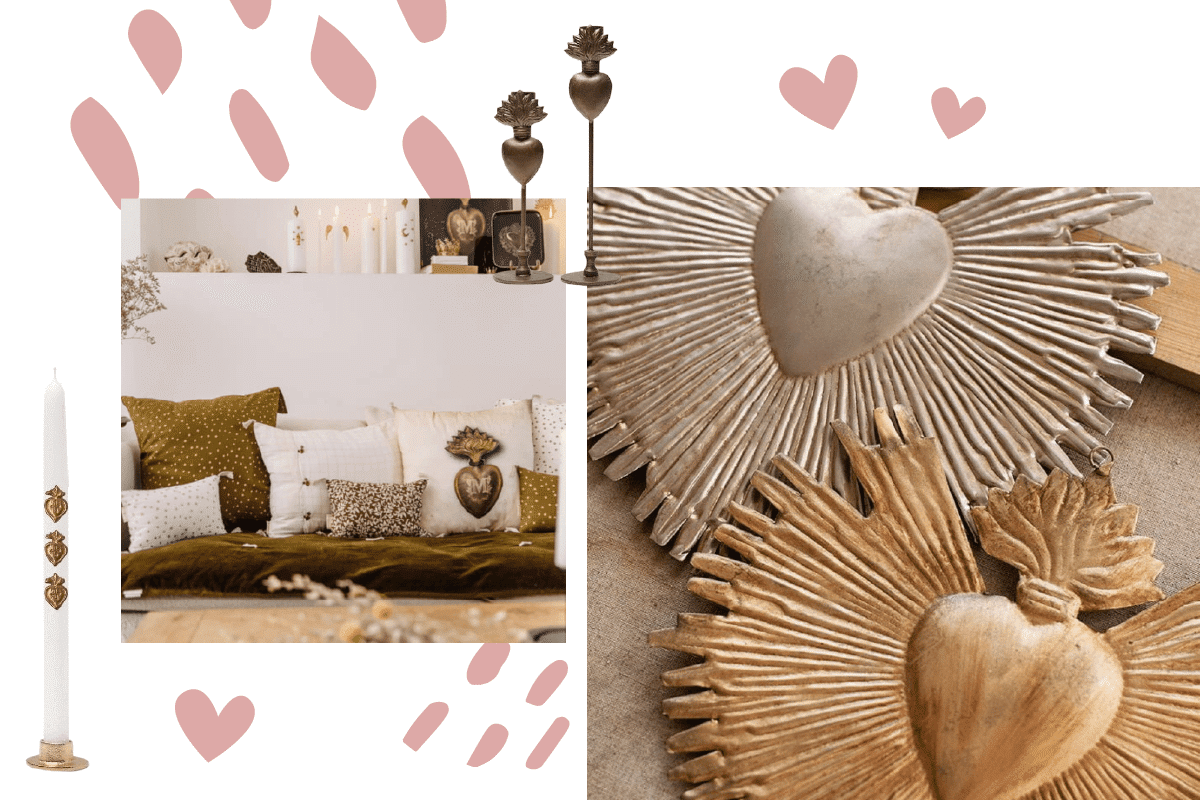
Give a unique Boncoeurs gift
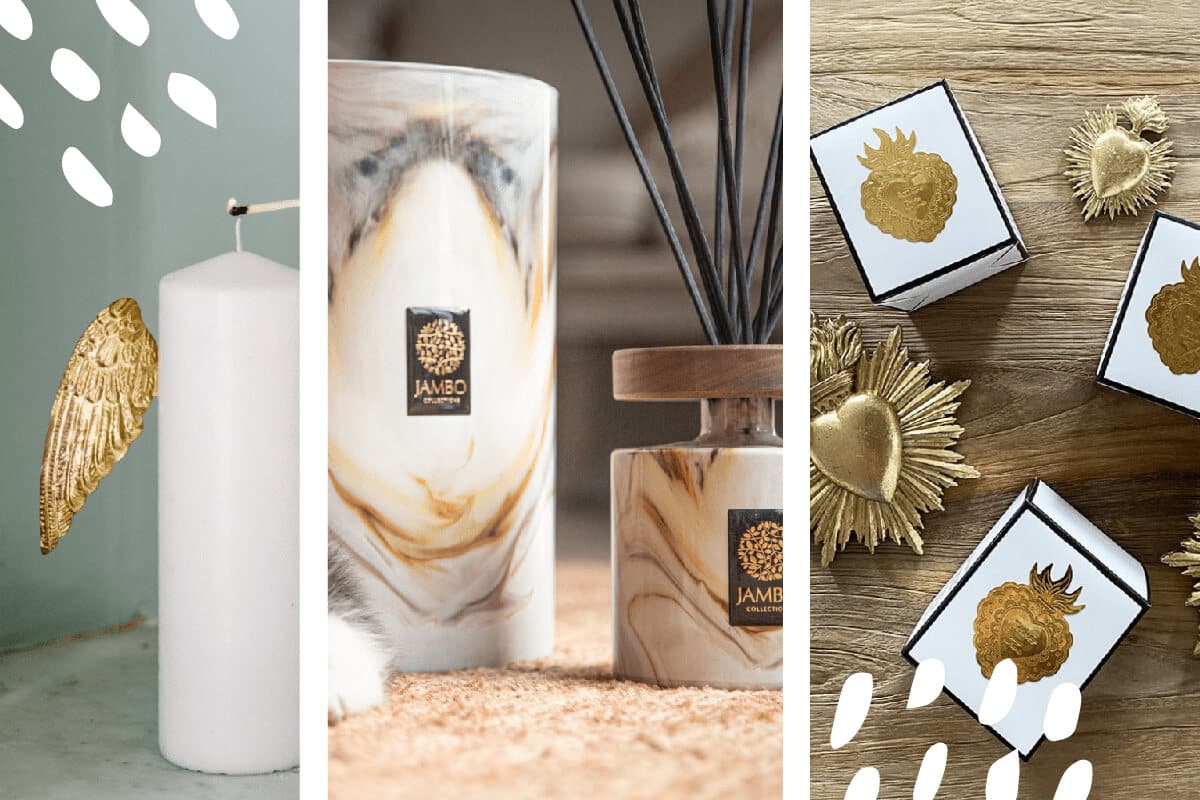
Olfactory elegance: reinvent your interiors
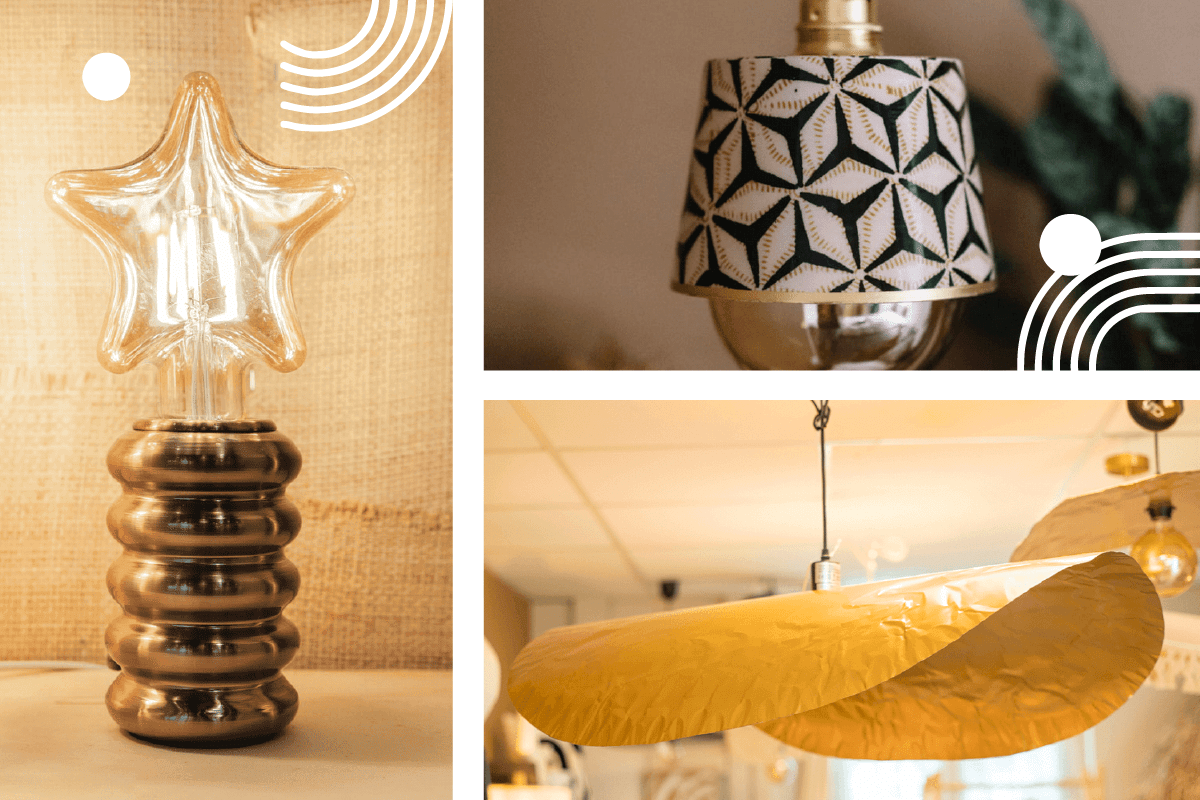
Brighten up your windowless space: effective tips