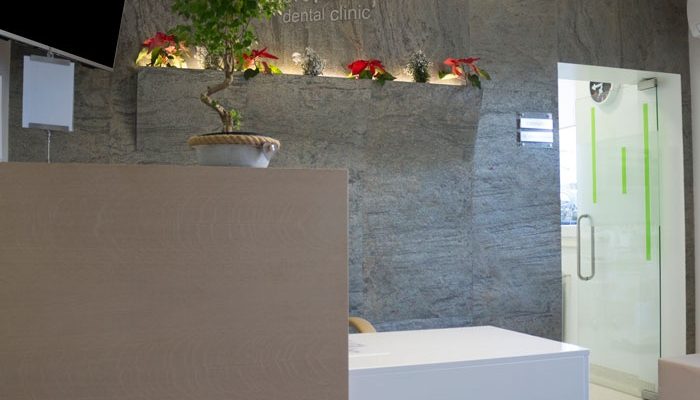
In architecture, few materials manage to so harmoniously combine the authenticity of natural stone with the freedom of contemporary forms. SKIN flexible slate – thin natural stone veneer applied on flexible backing – is one of these rare materials. For architects who wish to combine expressiveness, texture, light and functionality in an innovative way, SKIN opens new avenues of exploration for interiors.
What is SKIN / why is it important?
Experience shows that architects have started to use increasingly thinner natural stone slabs that preserve the authentic visual appearance of the stone (slate slabs, marble, etc.), but with reduced nominal thicknesses, low weight and high flexibility. (“flexible stone cladding” or “ultra-thin stone cladding”) offers the freedom to place stone on surfaces that would otherwise be impossible to clad with rigid stone.

The advantages are clear: light weight, faster assembly, easier transport and handling, reduction of the need for massive support structures. skinrockusa.com+2infopardoseli.ro+2
Also durability: SKIN quality materials or flexible slate resist moisture, temperature changes, wear and certain aggressive conditions, making them suitable for interiors, but also for special areas (large vertical cladding, fireplaces, accent walls, etc.). amenajari.eu+2infopardoseli.ro+2
Important for fireplaces or fire areas: the material must resist temperature changes, soot, cleaning, be sealed, not lose its aesthetic properties.
Challenges and how architects manage them
To achieve truly remarkable results, SKIN must be addressed with architectural awareness:
Thermal compatibility: Temperatures may vary around the hearth of the fireplace; it is necessary to use heat-insulating backs or slots, edge protections, ventilation elements.
Fixing and adhesive: For thin sheets the adhesive must have high adhesion, be elastic and withstand differences in expansion.
Edge protection: cut edges, corners must be protected – risk of detachment or increased wear.
Finishes and seals: periodic cleaning, use of suitable products, sealing of exposed areas (fire, smoke, dust).
Cost vs aesthetic value: the material SKIN It costs more than decorative wallpaper, but produces long-term value through durability, visual uniqueness and attractiveness.
Examples and practical inspiration
International publications talk about ultra-thin stone cladding that allows you to clad curved walls, fireplaces, built-in furniture, decorative elements that would otherwise require expensive and heavy materials.
In Romania, specialized articles («Designist», «Pandurul», PIATRAONLINE blog) already show projects with flexible slate applied to walls, furniture, corners, atypical spaces, highlighting the reduction of assembly work, possibility of rich visual details.
SKIN flexible slate architecture inside
For architects who wish to create evocative, sophisticated but functional spaces, SKIN offers a series of opportunities:
The fireplace as a central element of the design: not just a fireplace, but a sculptural and decorative visual object. Plating Translucent SKIN or with lighting, combined with metals or wood, it can transform the fireplace into an iconic piece.
Transition areas/accent walls: corridors, stairs, reception areas – SKIN allows you to create bright accents, relief effects, interactions with natural light.
Furniture and additional details: furniture fronts, consoles, decorative frames, shelf backs can be treated as extensions of the overall design, with SKINfor visual cohesion.
Sustainable design: the use of thin material reduces stone consumption, transport, weight added to the structure. Modern architecture requires aesthetic and ecologically responsible solutions.
SKIN flexible slate it’s not just a decorative trend: it’s a resource that architects can exploit to redefine interiors: for a structured design, for fireplaces that tell a story, for spaces that combine function and aesthetics. The transformations are not just visual, but also experiential: how the texture feels, how the light plays, how the material breathes. For architects looking to expand their material palette, SKIN it offers freedom, precision, the opportunity to remodel interiors in a personal and memorable way.
Write a few words, your advice is also useful to others. There are currently no comments or questions about the article.In architecture, few materials manage to so harmoniously combine the authenticity of natural stone with the freedom of contemporary forms. SKIN flexible slate – thin natural stone veneer applied on flexible backing – is one of these rare materials. For architects who wish to combine expressiveness, texture, light and functionality in an innovative way, SKIN opens new avenues of exploration for interiors.
What is SKIN / why is it important?
Experience shows that architects have started to use increasingly thinner natural stone slabs that preserve the authentic visual appearance of the stone (slate slabs, marble, etc.), but with reduced nominal thicknesses, low weight and high flexibility. (“flexible stone cladding” or “ultra-thin stone cladding”) offers the freedom to place stone on surfaces that would otherwise be impossible to clad with rigid stone.
The advantages are clear: light weight, faster assembly, easier transport and handling, reduction of the need for massive support structures. skinrockusa.com+2infopardoseli.ro+2
Also durability: SKIN quality materials or flexible slate resist moisture, temperature changes, wear and certain aggressive conditions, making them suitable for interiors, but also for special areas (large vertical cladding, fireplaces, accent walls, etc.). amenajari.eu+2infopardoseli.ro+2
Architectural highlights: Interior cladding
Architects look for a number of criteria when integrating a new material into an interior, especially for important visual areas such as the fireplace:
SKIN allows not only flat finishes, but also light textures, fine reliefs, natural finishes, which interact with natural and artificial light to create contrast, shadow plays, serious matter.
Shapes and adaptability
Corner cladding, curved edges, large sheets, curves: everything is possible with flexible sheets. The fireplace – often the central visual design – can benefit enormously from this freedom.Dimensions and continuity
Large plates and grains or patterns that can be aligned for visual continuity without unwanted breaks at visible joints.Assembly and technical details
It reuires a suitable substrate, compatible adhesives, careful preparation, edge protection, possibly thermal insulation or thermal protection around the hearth.
Maintenance and performance over time
Important for fireplaces or fire areas: the material must resist temperature changes, soot, cleaning, be sealed, not lose its aesthetic properties.
Challenges and how architects manage them
To achieve truly remarkable results, SKIN must be addressed with architectural awareness:
Thermal compatibility: Temperatures may vary around the hearth of the fireplace; it is necessary to use heat-insulating backs or slots, edge protections, ventilation elements.
Fixing and adhesive: For thin sheets the adhesive must have high adhesion, be elastic and withstand differences in expansion.
Edge protection: cut edges, corners must be protected – risk of detachment or increased wear.
Finishes and seals: periodic cleaning, use of suitable products, sealing of exposed areas (fire, smoke, dust).
Cost vs aesthetic value: the material SKIN It costs more than decorative wallpaper, but produces long-term value through durability, visual uniqueness and attractiveness.
Examples and practical inspiration
International publications talk about ultra-thin stone cladding that allows you to clad curved walls, fireplaces, built-in furniture, decorative elements that would otherwise require expensive and heavy materials.
In Romania, specialized articles («Designist», «Pandurul», PIATRAONLINE blog) already show projects with flexible slate applied to walls, furniture, corners, atypical spaces, highlighting the reduction of assembly work, possibility of rich visual details.
SKIN flexible slate architecture inside
For architects who wish to create evocative, sophisticated but functional spaces, SKIN offers a series of opportunities:
The fireplace as a central element of the design: not just a fireplace, but a sculptural and decorative visual object. Plating Translucent SKIN or with lighting, combined with metals or wood, it can transform the fireplace into an iconic piece.
Transition areas/accent walls: corridors, stairs, reception areas – SKIN allows you to create bright accents, relief effects, interactions with natural light.
Furniture and additional details: furniture fronts, consoles, decorative frames, shelf backs can be treated as extensions of the overall design, with SKINfor visual cohesion.
Sustainable design: the use of thin material reduces stone consumption, transport, weight added to the structure. Modern architecture requires aesthetic and ecologically responsible solutions.
SKIN flexible slate it’s not just a decorative trend: it’s a resource that architects can exploit to redefine interiors: for a structured design, for fireplaces that tell a story, for spaces that combine function and aesthetics. The transformations are not just visual, but also experiential: how the texture feels, how the light plays, how the material breathes. For architects looking to expand their material palette, SKIN it offers freedom, precision, the opportunity to remodel interiors in a personal and memorable way.
Write a few words, your advice is also useful to others. There are currently no comments or questions about the article.
latest posts published
Elegance and versatility for your table
Plant shelf: transform your interior!
creative tips for your stay
Comfort and style at home
mix styles and dishes!
Transform your interiors with elegant pastel colors
Give a unique Boncoeurs gift
Olfactory elegance: reinvent your interiors
Brighten up your windowless space: effective tips